What Is Difference Between Pressure Washing and Soft Washing? Complete Guide
When it comes to cleaning your home’s exterior, understanding the difference between pressure washing and soft washing can save you both money and potential damage. We’ve seen countless homeowners in Spring and surrounding areas make costly mistakes by choosing the wrong cleaning method for their specific surfaces.
Both pressure washing and soft washing have their place in exterior cleaning, but knowing when to use each technique is crucial for achieving the best results while protecting your property. Let’s dive into the key differences, applications, and benefits of each method to help you make the right choice for your home.
What Is Pressure Washing and How Does It Work?
Pressure washing uses high-pressure water streams to remove dirt, grime, mold, mildew, and other stubborn contaminants from various surfaces. This method relies on the mechanical force of water—typically ranging from 1,300 to 3,000 PSI (pounds per square inch)—to blast away buildup and restore surfaces to their original condition.
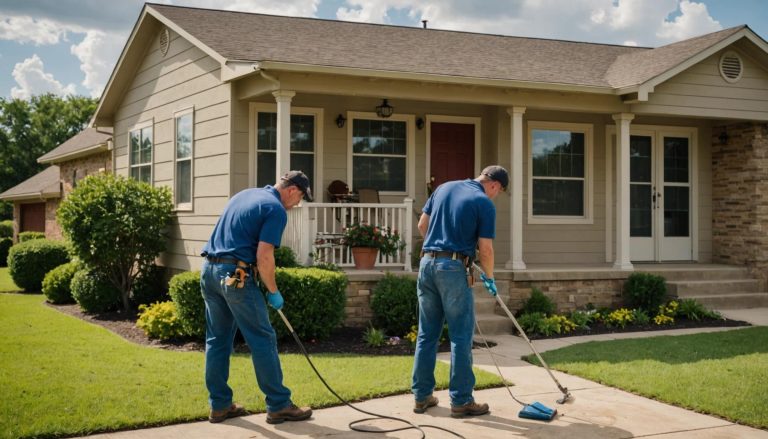
The process involves specialized equipment that pressurizes water through a motorized pump, creating a concentrated stream that can tackle even the most stubborn stains. Professional pressure washing services in Spring use commercial-grade equipment that delivers consistent results while protecting your property.
- High-pressure water streams (1,300-3,000+ PSI) for maximum cleaning power
- Mechanical cleaning action that physically removes contaminants
- Hot or cold water options depending on the cleaning requirements
- Various nozzle attachments to adjust spray patterns and pressure levels
- Immediate visible results on hard surfaces like concrete and brick
- No chemicals required for basic cleaning applications
- Fast cleaning process for large areas like driveways and sidewalks
What Is Soft Washing and When Should You Use It?
Soft washing is a gentler cleaning method that combines low-pressure water application with specialized biodegradable cleaning solutions. Instead of relying on brute force, this technique uses chemical action to break down dirt, algae, mold, and other organic growth at the molecular level.
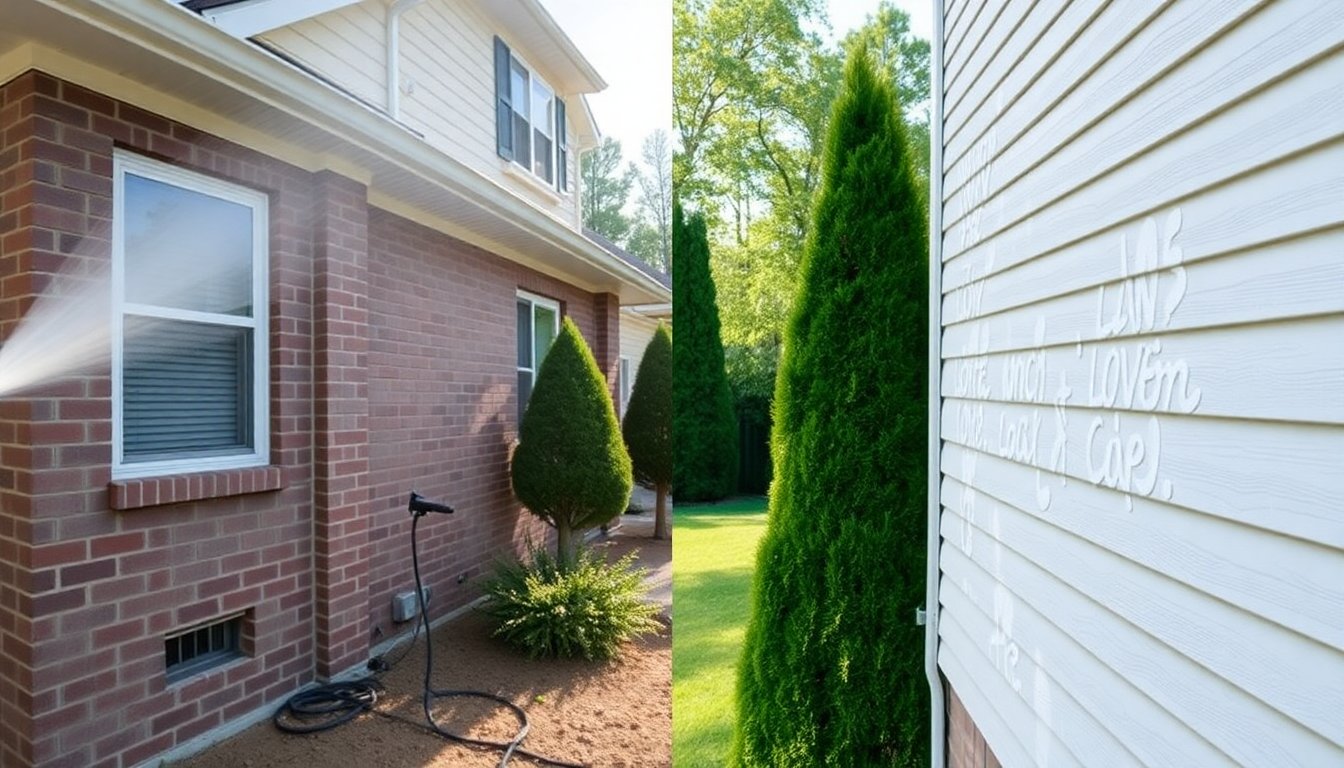
This method typically operates at pressures similar to your garden hose—around 100-500 PSI—making it safe for delicate surfaces that could be damaged by traditional pressure washing. The cleaning solutions do the heavy lifting, while the low-pressure rinse removes the loosened contaminants without causing harm.
- Low-pressure application (100-500 PSI) that’s gentle on surfaces
- Specialized cleaning solutions that target specific contaminants
- Chemical breakdown of organic growth like algae and mold
- Longer-lasting results due to treatment of root causes
- Safe for delicate materials like roof shingles and painted surfaces
- Biodegradable chemicals that are environmentally responsible
- Prevents regrowth of organic contaminants for extended periods
Pressure Washing vs Soft Washing: Key Differences Explained
| Aspect | Pressure Washing | Soft Washing |
|---|---|---|
| Water Pressure | 1,300-3,000+ PSI | 100-500 PSI |
| Cleaning Method | Mechanical force | Chemical treatment |
| Best For | Hard surfaces, concrete, stone | Roofs, siding, delicate surfaces |
| Results Duration | 6-12 months | 12-24 months |
| Risk Level | Higher (potential damage) | Lower (surface-safe) |
| Water Usage | Higher volume | Lower volume |
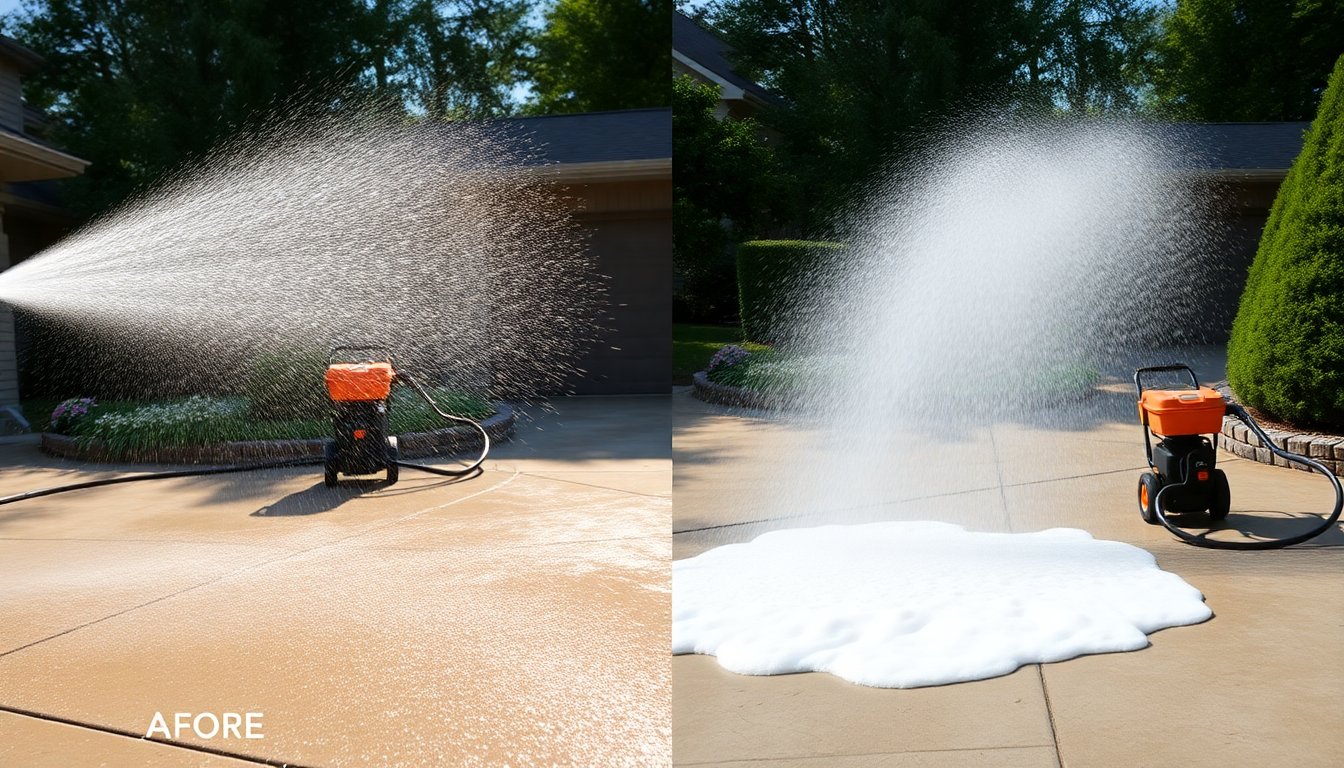
The fundamental difference lies in the approach each method takes to achieve cleanliness. Pressure washing is like using a power scrubber—it physically removes contaminants through force. This makes it incredibly effective for hard surfaces where you need to remove years of buildup, oil stains, or embedded dirt.
Soft washing, on the other hand, works more like a targeted treatment. The cleaning solutions penetrate deep into porous surfaces and kill organic growth at its source. This is why soft washing in Spring, TX often provides longer-lasting results, especially for issues like algae and mold growth that tend to return quickly with pressure washing alone.
Another key distinction is the skill level required. While pressure washing might seem straightforward, improper technique can cause significant damage—from etching concrete to stripping paint or damaging wood. Soft washing requires knowledge of chemical ratios and application techniques, but the lower pressure makes it inherently safer for most surfaces.
Which Surfaces Are Best for Pressure Washing vs Soft Washing?
Ideal Surfaces for Pressure Washing
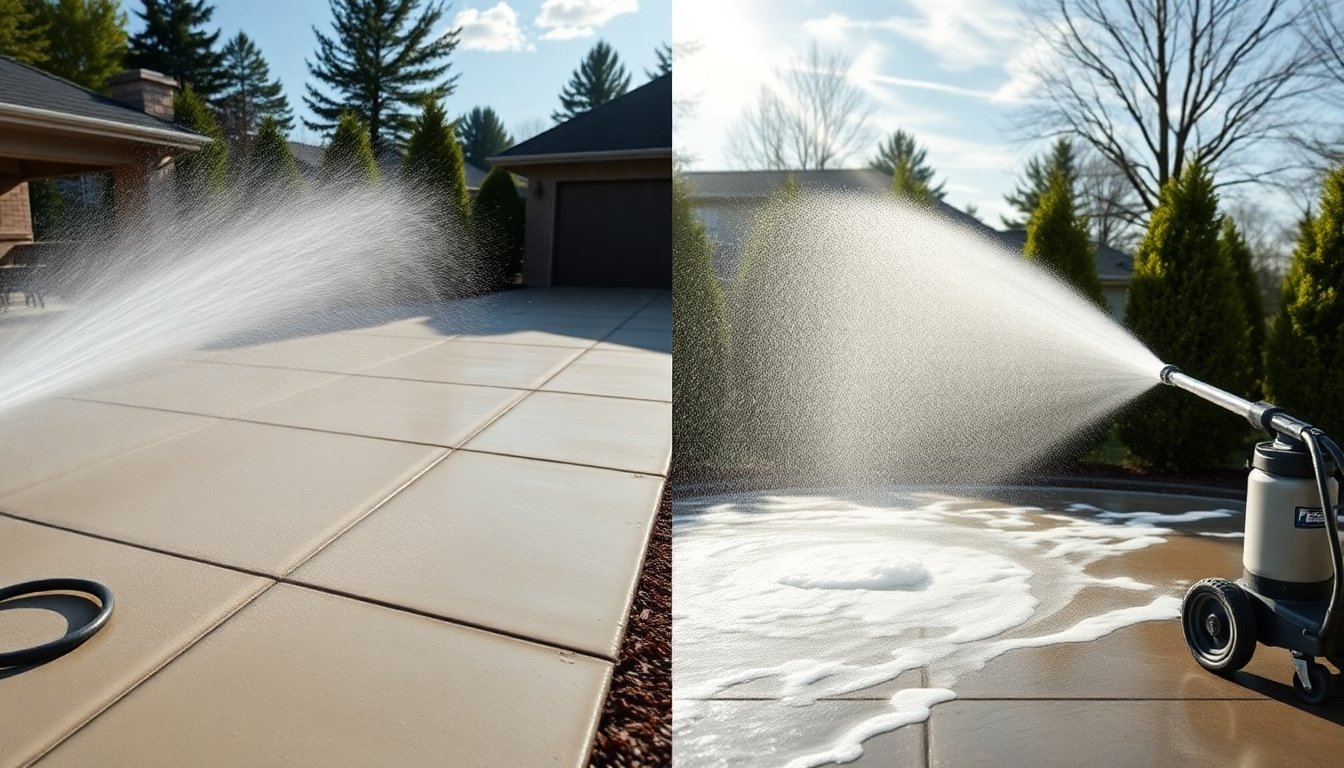
Pressure washing excels on hard, non-porous surfaces that can withstand high water pressure without damage. These surfaces typically have tough stains or heavy buildup that requires mechanical force to remove effectively.
Concrete driveways and sidewalks are perfect candidates for pressure washing. The high pressure can remove oil stains, tire marks, and years of accumulated grime that would be impossible to clean with gentler methods. Similarly, brick patios, stone walkways, and concrete pool decks benefit from the powerful cleaning action.
Metal surfaces like aluminum siding (when in good condition), steel railings, and outdoor furniture can also handle pressure washing well. Just remember that the key is matching the pressure level to the surface durability—not every surface needs maximum PSI.
Best Applications for Soft Washing
Soft washing is the clear winner for delicate or porous surfaces where high pressure could cause damage or force water into areas where it doesn’t belong. This method is particularly effective on surfaces prone to organic growth.
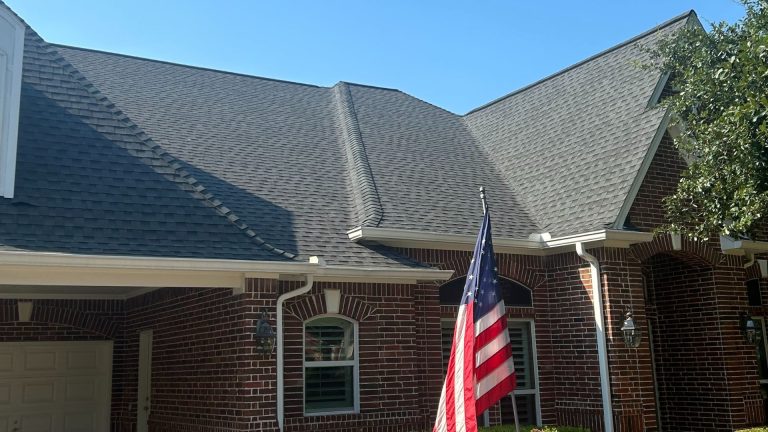
Roof cleaning is perhaps the most critical application for soft washing. Asphalt shingles, tile roofs, and metal roofing can all be safely cleaned without the risk of damage that comes with high-pressure washing. The cleaning solutions effectively kill algae, moss, and lichen while preserving the integrity of roofing materials.
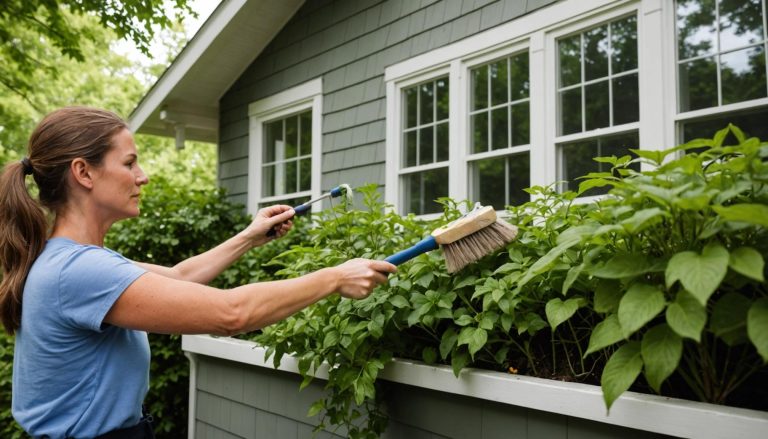
Vinyl and fiber cement siding respond beautifully to soft washing. The low pressure won’t force water behind the siding (which could lead to mold issues), while the cleaning solutions eliminate the organic growth that often discolors these materials. Painted surfaces, wood decks, and outdoor fabric also benefit from this gentler approach.
Surfaces That Require Special Consideration
Some surfaces fall into a gray area where either method could work, but the choice depends on specific conditions. Older concrete, for example, might be too fragile for high-pressure washing, while newer concrete can handle it just fine.
Wood surfaces are particularly tricky. While soft washing is generally safer, heavily stained or weathered wood might need the mechanical action of pressure washing—but at much lower pressures than you’d use on concrete. This is where professional expertise becomes invaluable in making the right choice.
Cost Comparison: Pressure Washing vs Soft Washing Services
Understanding the cost differences between pressure washing and soft washing helps you budget appropriately and make informed decisions about your exterior cleaning needs. While both methods have their price points, several factors influence the overall investment.
Generally, pressure washing tends to be less expensive upfront due to the straightforward nature of the process and the speed at which large areas can be cleaned. However, soft washing often provides better long-term value due to its longer-lasting results and the reduced frequency of cleaning required.
- Initial service cost: Pressure washing typically costs 10-20% less than soft washing for comparable areas
- Frequency of service: Pressure washing may need to be repeated every 6-12 months, while soft washing lasts 12-24 months
- Chemical costs: Soft washing includes specialized cleaning solutions, which add to the service cost
- Equipment complexity: Soft washing requires more sophisticated equipment and training, affecting pricing
- Surface preparation: Some surfaces may require pre-treatment, adding to soft washing costs
- Long-term value: Soft washing often provides better ROI due to extended results and surface protection
- Damage prevention: Choosing the wrong method can result in costly repairs that far exceed service savings
How to Choose Between Pressure Washing and Soft Washing for Your Home
Making the right choice between pressure washing and soft washing requires careful consideration of several key factors. Here’s a systematic approach to help you determine the best method for your specific situation.
- Assess your surface materials. Start by identifying what you’re cleaning—concrete, vinyl siding, roof shingles, wood, or brick. Harder, non-porous surfaces generally handle pressure washing well, while delicate or porous materials benefit from soft washing.
- Evaluate the type of contamination. Heavy oil stains, embedded dirt, and paint removal typically require the mechanical force of pressure washing. Organic growth like algae, mold, and mildew respond better to the chemical treatment of soft washing.
- Consider the age and condition of surfaces. Older or weathered materials may not withstand high pressure, even if they’re typically suitable for pressure washing. When in doubt, err on the side of caution with soft washing.
- Think about frequency and longevity. If you want longer-lasting results and don’t mind paying slightly more upfront, soft washing often provides better value. For immediate visual impact and don’t mind more frequent cleaning, pressure washing might be your choice.
- Factor in environmental concerns. While both methods can be environmentally responsible when done properly, soft washing uses biodegradable chemicals that break down naturally, making it a greener choice for many applications.
The decision often comes down to balancing immediate needs with long-term goals. If you’re preparing for a special event or trying to remove specific stains quickly, pressure washing might be the answer. But if you’re looking for a comprehensive cleaning solution that protects your investment and provides lasting results, soft washing is often the better choice.
Professional assessment is invaluable in this decision-making process. Experienced technicians can identify potential problem areas, recommend the appropriate method, and often combine both techniques for optimal results. They understand how different materials react to various cleaning methods and can adjust their approach accordingly.
Don’t forget to consider the bigger picture of your home’s maintenance schedule. Soft washing might cost more initially, but if it means you can go twice as long between cleanings, the math often works in your favor. Plus, the gentler approach helps preserve your surfaces, potentially extending their lifespan and maintaining your home’s value.
Conclusion
Understanding the difference between pressure washing and soft washing is essential for maintaining your home’s exterior effectively and safely. Pressure washing excels at removing heavy buildup from hard surfaces like concrete and stone, while soft washing provides superior results for delicate materials like roofing and siding. The choice between methods should be based on your specific surface materials, type of contamination, and long-term maintenance goals.
Remember that the cheapest option isn’t always the best value—choosing the wrong method can lead to costly damage that far exceeds any initial savings. When in doubt, consult with experienced professionals who can assess your specific needs and recommend the most appropriate cleaning method for your Spring area home.