
What Not to Do When Pressure Washing a House? (Avoid These Mistakes)
Pressure washing can transform your home’s appearance in just a few hours — but one wrong move can cause thousands of dollars in damage. We’ve seen countless homeowners in Spring, The Woodlands, and surrounding areas make costly mistakes that could have been easily avoided with the right knowledge.
Whether you’re tackling the job yourself or want to understand what professionals should be doing, knowing what NOT to do when pressure washing a house is just as important as knowing proper techniques. These common mistakes can damage siding, windows, landscaping, and even compromise your home’s structural integrity.
What Pressure Settings Should You Never Use on Different House Materials
Using the wrong pressure setting is the fastest way to cause permanent damage to your home’s exterior. Different materials require vastly different PSI levels, and exceeding these limits can strip paint, gouge surfaces, or force water behind protective barriers.
Most homeowners make the mistake of thinking “more pressure equals better cleaning” — but this couldn’t be further from the truth. Here are the pressure settings you should NEVER exceed for common house materials:
- Vinyl siding: Never exceed 1,500 PSI — higher pressure can crack, warp, or force water underneath panels
- Wood siding: Stay below 1,200 PSI to avoid splintering, gouging, or removing protective stains
- Brick: Don’t go above 2,500 PSI as excessive pressure can damage mortar joints and cause structural issues
- Stucco: Never use more than 1,500 PSI — this material is particularly vulnerable to chipping and cracking
- Windows: Keep pressure under 1,000 PSI to prevent seal damage and potential glass breakage
- Painted surfaces: Limit to 1,300 PSI maximum to avoid stripping paint and exposing bare material underneath
Why You Should Never Pressure Wash These Parts of Your House
Electrical Components and Fixtures
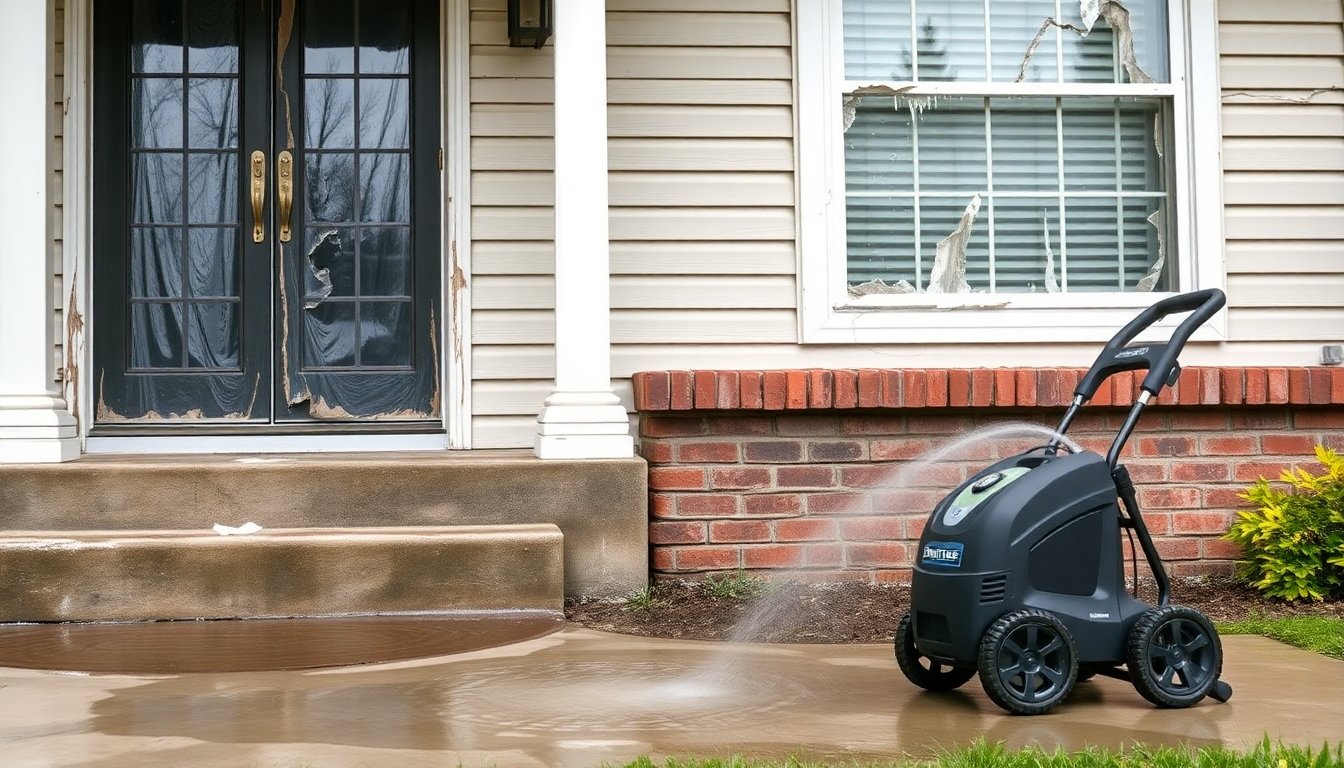
Water and electricity don’t mix — period. Never pressure wash around electrical meters, outlet covers, light fixtures, or any visible wiring. Even weatherproof components can fail when subjected to high-pressure water streams. The risk of electrocution or creating electrical hazards isn’t worth the cleaning benefits.
Air Conditioning Units and HVAC Equipment
Your AC unit’s delicate fins and coils can be permanently damaged by pressure washing. The high-pressure water can bend fins, damage electrical connections, and force water into areas where it shouldn’t go. This can lead to expensive repairs or complete system replacement.
Asphalt Shingle Roofs
Pressure washing asphalt shingles is a guaranteed way to reduce your roof’s lifespan. The high pressure strips away protective granules, creates leaks, and can even blow shingles right off your roof. Professional soft washing techniques are the only safe way to clean these surfaces.
Lead Paint Surfaces
If your home was built before 1978, there’s a chance it contains lead paint. Pressure washing these surfaces can create dangerous lead dust and chips that contaminate your property and pose serious health risks to your family and neighbors.
What Angle Mistakes Can Damage Your Home’s Exterior
The angle at which you hold your pressure washer nozzle can make the difference between effective cleaning and costly damage. Many homeowners don’t realize that water hitting surfaces at the wrong angle can drive moisture into areas where it doesn’t belong or concentrate pressure in ways that cause immediate damage.
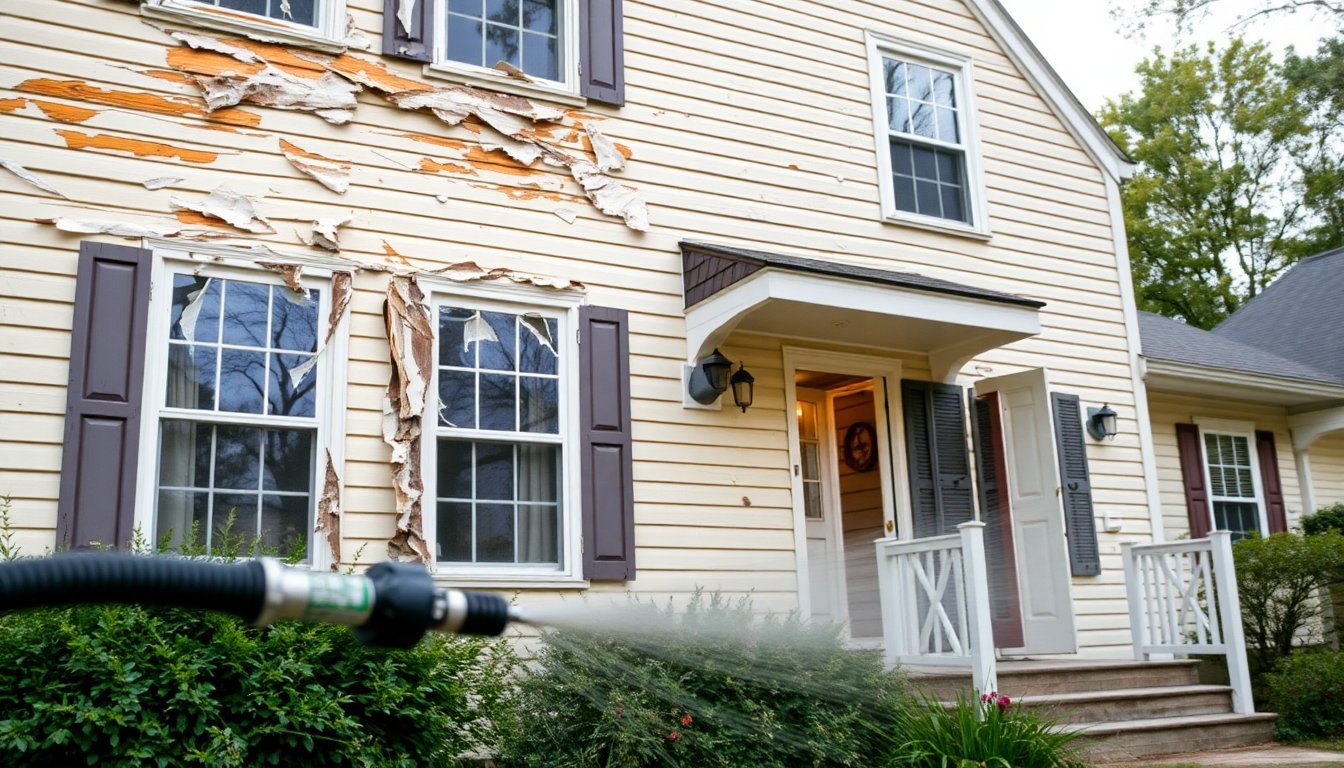
Here are the most dangerous angle mistakes that can wreck your home’s exterior:
- Pointing upward at siding: This forces water behind panels and can lead to mold, rot, and structural damage inside your walls
- Using zero-degree nozzles: These create a concentrated stream that can punch holes through most materials — they should never be used on houses
- Angling toward windows and doors: Water can be forced past seals, causing interior water damage and compromising weatherproofing
- Directing spray into vents and openings: This can flood your home’s interior systems and create moisture problems in attics and crawl spaces
- Holding the nozzle perpendicular to surfaces: A 90-degree angle maximizes pressure impact and increases the risk of damage — always use a slight downward angle
How Close Is Too Close When Pressure Washing Your House
Distance control is critical for safe pressure washing — get too close and you’ll concentrate too much pressure on a small area. The closer you are to the surface, the more intense the pressure becomes, which can quickly escalate from cleaning to damaging.
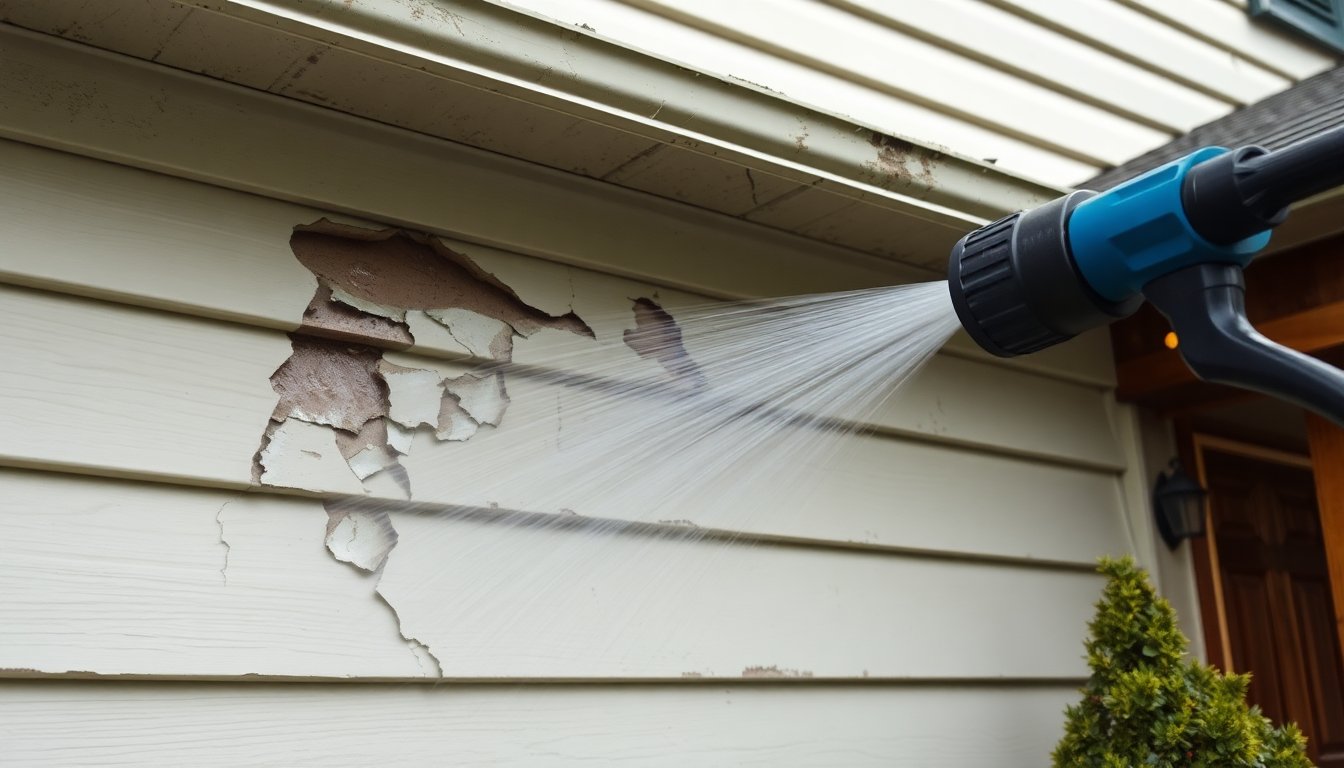
Professional house washing services understand these distance requirements because they’ve seen the aftermath of getting too close. Here’s how close is TOO close for different surfaces:
- Vinyl siding: Never get closer than 3 feet — closer distances can crack or puncture the material
- Windows: Stay at least 4 feet away to prevent seal damage and avoid forcing water past weatherstripping
- Wood surfaces: Maintain 2-3 feet minimum distance to prevent gouging and splintering
- Painted areas: Keep 3-4 feet away to avoid stripping paint and creating uneven patches
- Delicate trim work: Stay 4-5 feet back from decorative elements and detailed architectural features
- Roof edges and gutters: Maintain at least 3 feet distance to prevent forcing water under roofing materials
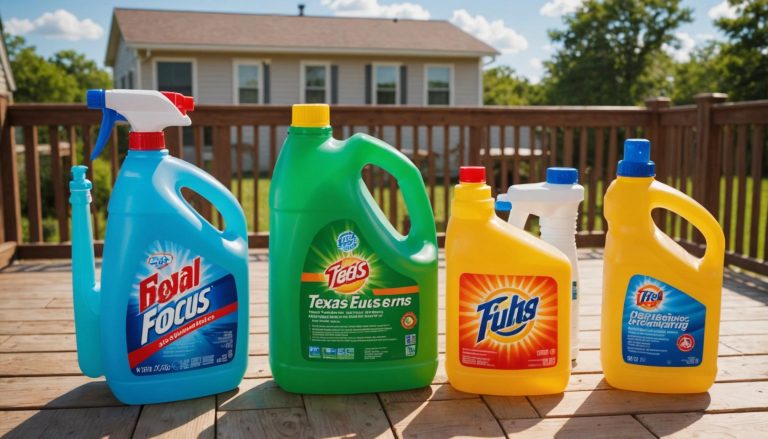
What Cleaning Solutions Should You Avoid Using
Bleach-Based Cleaners on Metal Surfaces
Bleach and metal don’t play well together. Using bleach-based cleaners on aluminum siding, metal trim, or fixtures can cause permanent discoloration, pitting, and corrosion. The damage often doesn’t show up immediately but becomes apparent weeks or months later when it’s too late to fix.
Acidic Cleaners on Natural Stone
Muriatic acid, vinegar-based cleaners, and other acidic solutions can permanently etch and damage natural stone surfaces like limestone, marble, and certain types of brick. These materials are calcium-based and react chemically with acids, creating irreversible damage that requires expensive restoration.
Ammonia-Based Products Near Plants
Ammonia can burn plant foliage and alter soil chemistry in ways that harm your landscaping. Even small amounts can cause leaf burn, stunted growth, and long-term damage to sensitive plants and grass around your home’s foundation.
Homemade Chemical Combinations
Mixing different cleaning products can create dangerous chemical reactions. Combining bleach with ammonia creates toxic chloramine gas, while mixing acids with bleach produces deadly chlorine gas. Stick to one product at a time and never experiment with chemical combinations.
Why Skipping These Preparation Steps Will Ruin Your Results
Proper preparation is what separates successful pressure washing from disaster. We’ve seen too many homeowners jump straight into spraying without taking the time to prepare properly — and the results are always disappointing (and often expensive to fix).
Professional pressure washing services never skip these critical preparation steps, and neither should you:
- Failing to inspect for loose or damaged materials: Pressure washing can turn small problems into major repairs — check for loose siding, damaged caulking, and deteriorated surfaces before starting
- Not protecting plants and landscaping: Cover delicate plants, move outdoor furniture, and wet down vegetation to minimize chemical exposure and pressure damage
- Skipping the pre-rinse: Always rinse surfaces first to remove loose debris that could become projectiles under high pressure
- Ignoring weather conditions: Wind can blow chemicals onto unintended surfaces, while hot surfaces can cause cleaning solutions to dry too quickly and leave residue
- Not testing pressure and chemicals in inconspicuous areas: Always test your pressure settings and cleaning solutions on hidden areas first to ensure they won’t cause damage
- Forgetting to close windows and cover electrical outlets: Water intrusion through windows and electrical components can cause thousands in damage
Conclusion
Pressure washing mistakes can turn a simple cleaning project into an expensive nightmare. From using excessive pressure on delicate materials to skipping crucial preparation steps, these common errors can damage your home’s exterior, compromise its structural integrity, and create costly repair bills.
The key to successful house washing lies in understanding your home’s materials, using appropriate pressure settings, maintaining safe distances, and choosing the right cleaning solutions. When in doubt, consulting with experienced professionals can save you from making costly mistakes that could have been easily avoided with proper knowledge and technique.