What Is the Best Time of Year for Pressure Washing in Texas? (Expert Tips)
Curious about the best time of year for pressure washing in Texas? At JR4U Pressure Washing, we’re here to provide you with expert tips to get the most out of your pressure washing efforts. Whether you’re planning to freshen up your home, roof, driveway, or even a commercial space, timing can make all the difference. We serve areas like Spring, The Woodlands, Magnolia, and more, ensuring your property looks its best year-round.
In this article, we’ll dive into how Texas weather affects pressure washing, the ideal months to tackle this task, and why springtime shines as the prime season. We will also discuss the challenges of Texas summers and the necessary preparations for fall and winter pressure washing. Bring your surfaces back to life with our seasonal insights and professional tips!
How Does Texas Weather Affect Pressure Washing?
Texas weather is notorious for being unpredictable, swinging from scorching hot summers to chilly winters with unexpected rain showers and humidity spikes in between. These weather patterns significantly impact the effectiveness and timing of pressure washing.
During the summer, extreme heat can cause water to evaporate quickly, reducing the efficiency of pressure washing and potentially damaging surfaces due to rapid drying. High temperatures can also make it uncomfortable and unsafe for the person handling the pressure washer.
In contrast, the rainy season introduces another set of challenges. Wet surfaces are harder to clean effectively, and excessive rainfall can quickly dirty freshly washed exteriors. Plus, the risk of mold and mildew is higher during humid conditions, requiring more frequent cleanings.
Winter, although milder in Texas compared to other states, brings its own issues. Water can freeze in the equipment if temperatures drop too low, making pressure washing impractical or damaging to the machinery. Cold weather can also make cleaning solutions less effective.
Spring and fall generally provide the most favorable conditions for pressure washing. Moderate temperatures and lower humidity levels help achieve better cleaning results. Plus, these seasons are usually less rainy compared to summer and winter, reducing the chances of immediate re-soiling. For more detailed insights on optimal pressure washing times in Texas, you can refer to pressure washing in Spring, TX.
Understanding these weather patterns can help you decide the best time to schedule pressure washing, ensuring you achieve the clean, fresh look you desire while safeguarding your property and equipment.
What Are the Best Months for Pressure Washing in Texas?
When considering pressure washing in Texas, timing is everything! Texas weather can be unpredictable, and selecting the right months is crucial for optimal results and ease of cleaning.
The best months for pressure washing in Texas are generally in the milder seasons—spring and fall. These periods offer more predictable weather, avoiding the extreme heat of summer and the cold fronts of winter. Here’s a quick rundown:
- March: Spring starts to warm up, making it ideal for outdoor activities.
- April: Consistently mild temperatures with less rain than later spring months.
- May: Perfect for tackling tough stains, as the weather is just right.
- September: Fall brings back cooler temperatures after the summer heat.
- October: Mild, dry conditions ideal for a thorough clean.
- November: Before the holiday rush, a great time for last-minute cleaning efforts.
These months are optimal because they provide the best weather conditions—moderate temperatures and lower humidity. Cleaning in these months ensures surfaces dry quickly, reducing the risk of mold or mildew growth. For more tips on pressure washing in Texas, visit JR4U Pressure Washing.
Why Is Spring an Ideal Time for Pressure Washing in Texas?
Spring in Texas is the perfect time to get started on pressure washing. The weather is mild, making it comfortable for both you and your equipment. Let’s delve into why this season stands out for pressure washing activities.
Optimal Weather Conditions
Spring provides mild temperatures and lower humidity compared to the scorching Texas summer. These conditions make it easier to work outside without risk of heat stroke or equipment overheating. Plus, drying times are faster due to the moderate climate.
Removing Winter Grime
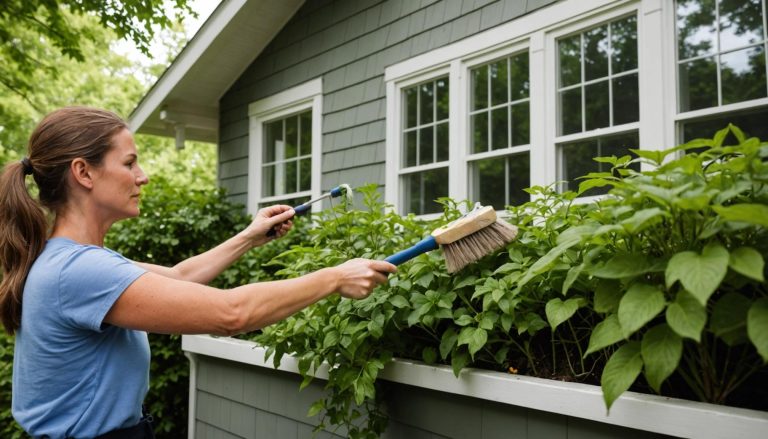
Winter can leave behind dirt, debris, and mold—especially after wetter months. Spring cleaning helps remove these residues, ensuring your surfaces are clean and ready for the warm months ahead. For more detailed tips on pressure washing, especially in Magnolia, Texas, visit this resource.
Preparing for Summer Gatherings
Spring is an excellent time to clean outdoor spaces in preparation for summer barbecues, pool parties, and family gatherings. A thorough pressure wash will make patios, decks, and driveways look fresh and inviting for your guests.
Maximizing Daylight Hours
With longer daylight hours, you have more time to get the job done without rushing. It also allows for better visibility, ensuring you don’t miss any spots that need cleaning.
Boosting Curb Appeal
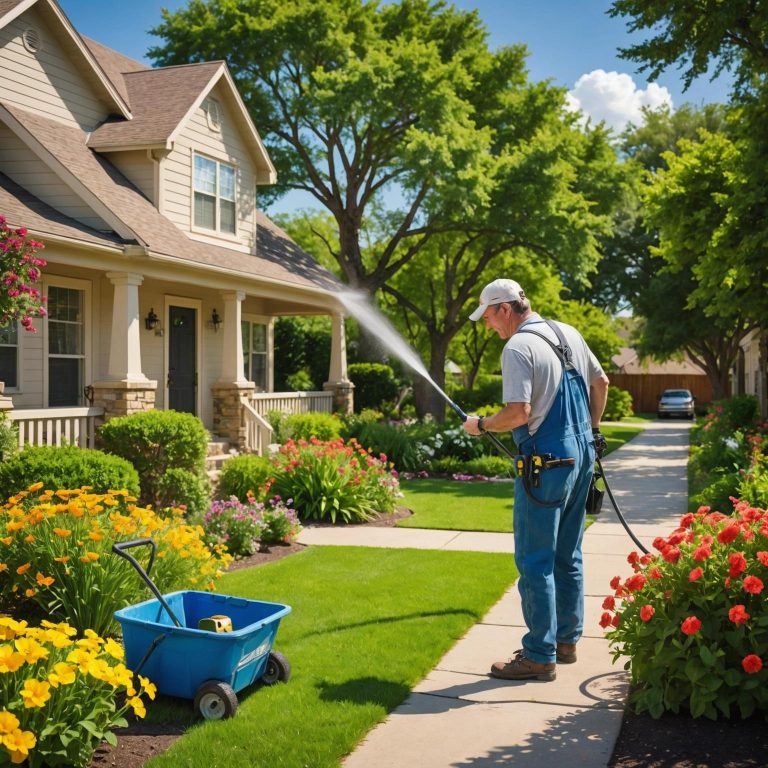
Pressure washing in the spring rejuvenates the appearance of your home. Clean exteriors, walkways, and fences greatly enhance curb appeal, potentially increasing your property value if you’re thinking of selling.
Spring’s favorable conditions make it the ideal season for pressure washing in Texas. Ready to tackle the grime? Get your pressure washer and make your home shine!
Should You Avoid Pressure Washing in the Texas Summer Heat?
Texas summers are known for their intense heat. Temperatures often soar above 100°F, making outdoor tasks challenging—and this includes pressure washing. While pressure washing can be a great way to maintain your home’s exterior, doing it during peak summer heat could lead to several problems.
First, the heat can cause the cleaning detergents to evaporate too quickly. This reduces their effectiveness, meaning you’ll need to use more product to achieve the same results. Not only is this less efficient, but it also means higher costs and more potential for environmental impact.
Second, extreme temperatures can pose health risks to anyone performing the pressure washing. Dehydration, heat exhaustion, and even heat stroke are serious concerns. Working in such conditions could lead to severe health complications if not managed properly.
Additionally, the high heat can cause surfaces to dry too quickly. This rapid drying can leave behind streaks, spots, or soap scum, undermining your hard work. You might find that you have to redo certain areas to get a clean finish, wasting both time and resources.
Lastly, the intense sun can be harsh on your equipment. Extended exposure to high temperatures can degrade the hoses, pumps, and other components of your pressure washer, potentially shortening its lifespan.
If you must pressure wash during the summer, consider doing it early in the morning or late in the evening when temperatures are cooler. Always stay well-hydrated, wear lightweight clothing, and take frequent breaks to avoid overheating. Better yet, scheduling your pressure washing for spring or fall can help you avoid these issues altogether. For more tips and insights, visit our pressure washing blog.
What Preparations Are Needed for Pressure Washing in the Fall?
Getting ready for pressure washing in the fall requires careful planning and specific preparations. As temperatures cool down, one must consider the seasonal changes and how they might impact your cleaning efforts. Crisp autumn weather provides a comfortable working environment, but there are several steps you should take to ensure a smooth and effective pressure washing session.
Here’s a checklist to help you prepare:
- Inspect the Area: Thoroughly examine the surfaces you intend to clean. Look for loose paint, cracks, or any areas that might need repair before washing.
- Clear Debris: Remove leaves, twigs, and any other debris that may have accumulated around your home. This ensures the surfaces are clear and safe to clean.
- Check Equipment: Inspect your pressure washer and accessories. Ensure everything is in good working condition and replace any worn-out parts.
- Protect Plants and Furniture: Cover any plants, outdoor furniture, or fixtures to shield them from the high-pressure water and cleaning agents.
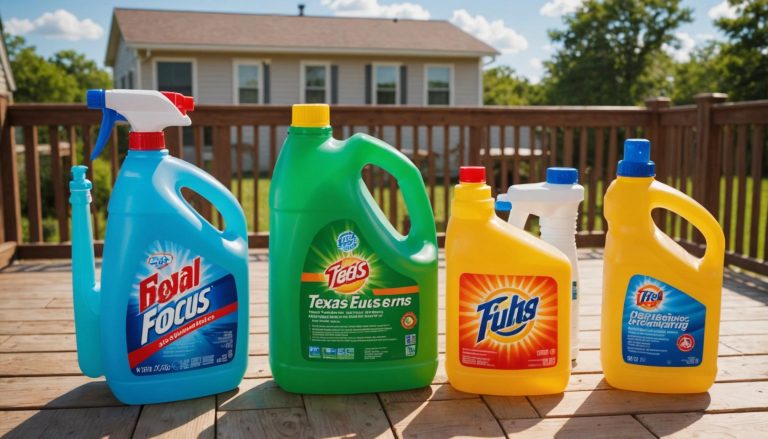
- Select the Right Cleaning Solutions: Choose eco-friendly detergents that are appropriate for the surfaces you’ll be cleaning to protect the environment and prevent damage.
- Wear Appropriate Gear: Dress in weather-appropriate clothing, and wear protective gear such as gloves, goggles, and sturdy footwear.
- Monitor the Weather: Check the weather forecast. Aim for dry, mild days to avoid complications from rain or freezing temperatures.
Following these steps will help you tackle your fall pressure washing tasks efficiently. Preparing adequately not only ensures a thorough clean but also protects your property and equipment from potential damage.
How to Handle Pressure Washing During Texas Winters
Pressure washing during Texas winters comes with unique challenges. The weather can be unpredictable—ranging from mild and sunny to sudden cold snaps. Here’s how to handle pressure washing in the Lone Star State when temperatures dip.
Choosing the Right Day
Pick a day when the weather is mild. Avoid days with freezing temperatures or strong winds. Check the forecast for a rain-free window of at least 24-48 hours.
Protect Your Equipment
Cold weather can be tough on pressure washing equipment. Make sure to keep hoses and pumps from freezing. Store them in a warm place until you’re ready to use them, and consider using a pump saver antifreeze solution.
Use Warm Water
If possible, use a hot water pressure washer. Warm water can clean more effectively during cold weather, and it helps prevent ice from forming on surfaces.
Adjust Cleaning Techniques
In cooler weather, surfaces may take longer to dry. Use a fan tip nozzle to spread water evenly and avoid saturation. Work in sections to avoid water freezing on the surface you’re cleaning.
Safety First
Be cautious of icy patches that can form from the water runoff. Wear non-slip footwear and take extra care on ladders and elevated surfaces. Always scout the area for potential hazards before starting.
By adapting your pressure washing methods for winter conditions, you can still get fantastic results—keeping your Texas property in top shape year-round.
Conclusion
Determining the best time of year for pressure washing in Texas largely depends on the local climate and your specific needs. Spring and fall tend to be the most optimal seasons due to milder temperatures and less extreme weather conditions, ensuring a thorough and effective clean. By choosing these times, you can maximize the life and appearance of your property’s surfaces.
If you’re in need of professional pressure washing services in cities like Spring, The Woodlands, or Magnolia, look no further than JR4U Pressure Washing. Our expert team, led by Jason Raines, is committed to delivering top-notch services tailored to your requirements. Contact us today at (832) 732-2672 or via email at jasonraines7@gmail.com to schedule your pressure washing appointment and experience the difference.