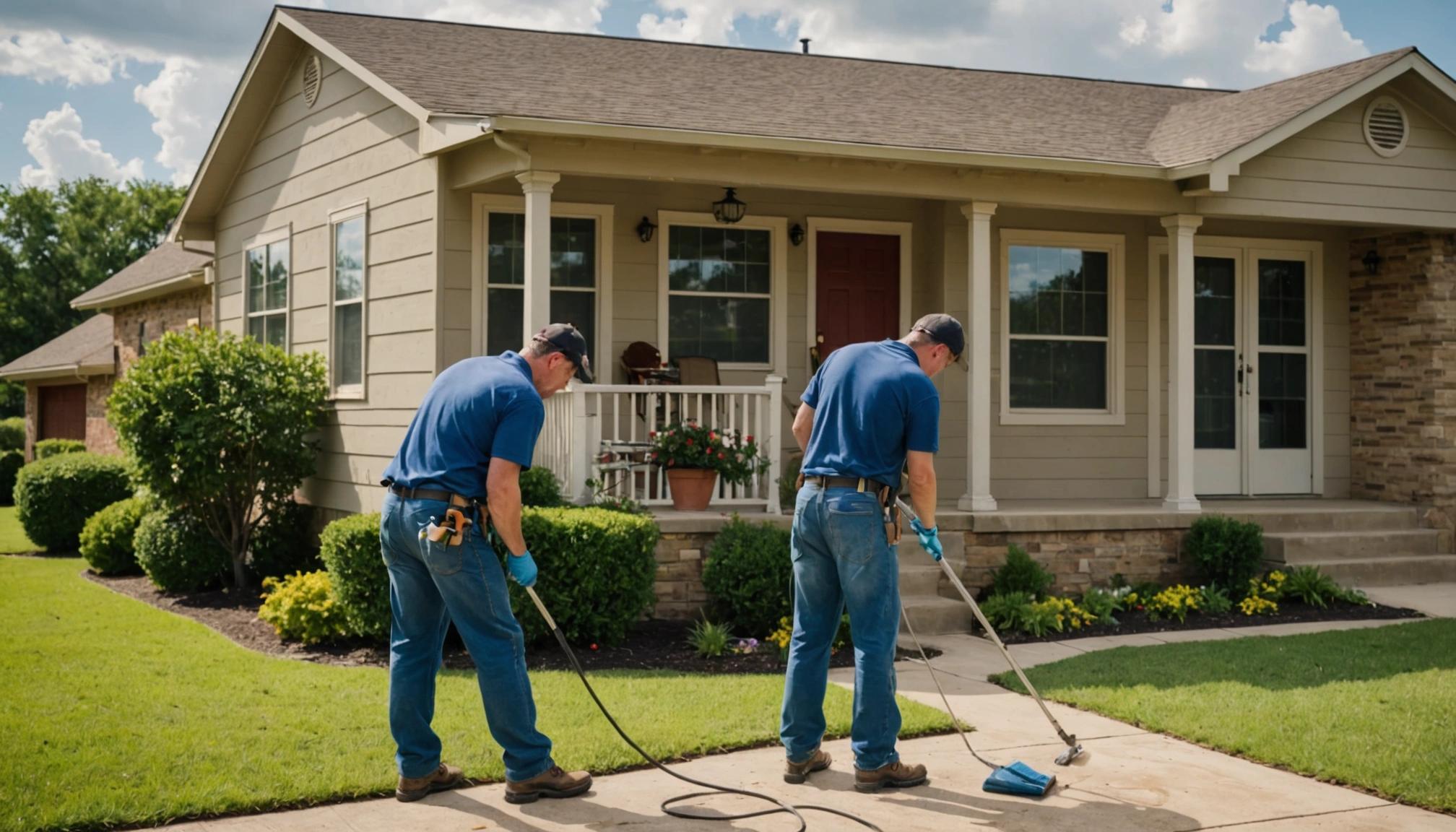
How Does Texas Weather Affect the Softwashing Process? (Expert Guidance)
Are you curious about how Texas weather affects the softwashing process? You’re in the right spot! At JR4U Pressure Washing, we specialize in delivering pristine results for properties in and around Spring, Texas. With the ever-changing climate in the heart of Texas, understanding its impact on softwashing is crucial for maintaining the beauty and longevity of your home.
In this article, we’ll explore how Texas’s unique weather patterns influence softwashing techniques and provide expert guidance on adapting your cleaning approach throughout the seasons. Whether you’re dealing with scorching summers or tempestuous storms, we’ve got the insights you need to keep your property looking its best. Dive in and discover how to make Texas weather work for you when it comes to softwashing!
What is Softwashing and Why is It Important?
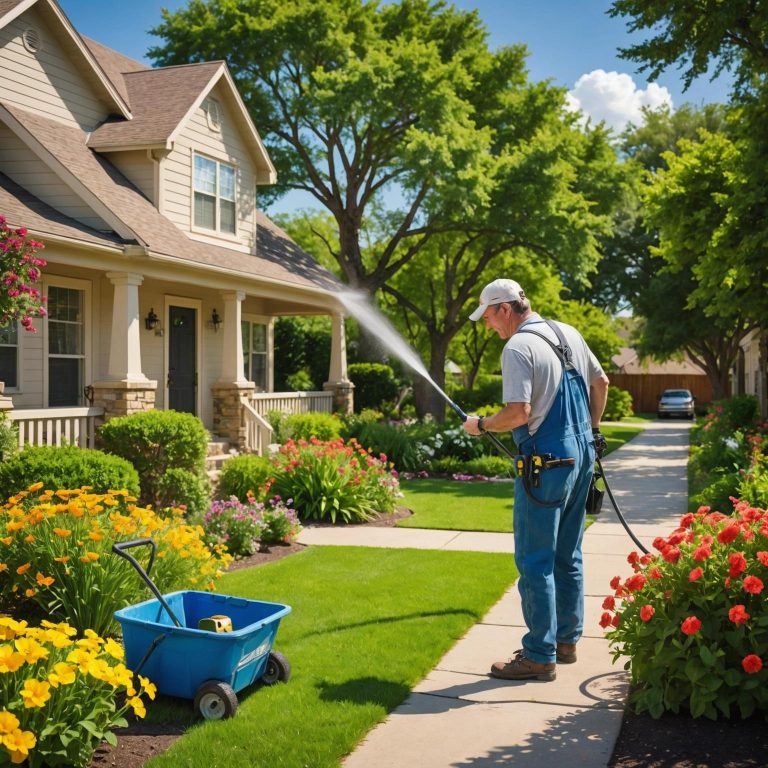
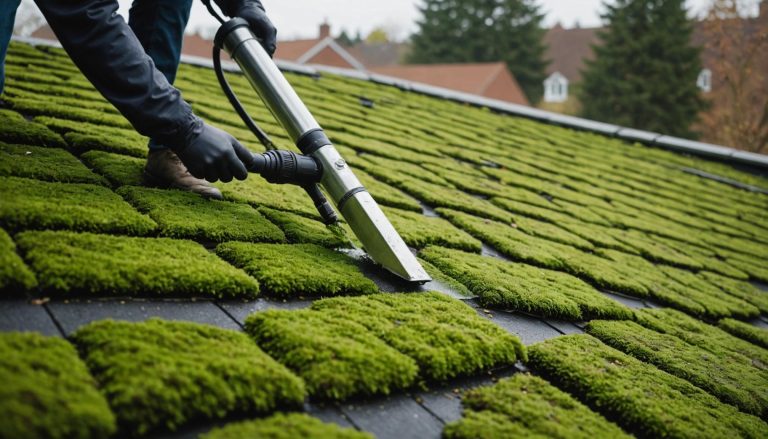
Softwashing is a cleaning technique that uses low-pressure water combined with specialized cleaning solutions to gently remove dirt, algae, mold, and other contaminants from exterior surfaces. Unlike power washing, which relies on high-pressure streams that can damage surfaces, softwashing cleans effectively without risking harm to delicate materials.
Understanding the Softwashing Process
The core of the softwashing process lies in its use of biodegradable cleaning solutions. These solutions target and break down organic matter and contaminants, allowing them to be safely rinsed away. This method is not only surface-friendly, but also environmentally conscious, as the solutions used are non-toxic.
Advantages of Softwashing
Softwashing offers several advantages over traditional high-pressure cleaning methods:
- Preserves Surface Integrity: By using low pressure, softwashing prevents structural damage to roofs, siding, and other materials that can occur with high-pressure washing.
- Longer-Lasting Clean: The solutions used in softwashing clean and sanitize, preventing the quick regrowth of mold and algae, thus keeping surfaces clean for longer periods.
- Eco-Friendly Approach: Since it utilizes biodegradable chemicals, softwashing is safer for plants, pets, and the environment.
Importance of Softwashing for Property Maintenance
Maintaining the exterior of your property is crucial for both aesthetic and functional reasons. Softwashing helps preserve the condition and value of buildings by preventing the deterioration caused by mold, mildew, algae, and other contaminants. Regular softwashing not only enhances curb appeal but also prolongs the lifespan of surfaces by gently yet effectively keeping them clean. For those in Texas, learning about softwashing techniques specific to the region can be particularly beneficial.
Next, we’ll explore how Texas’s unique climate impacts softwashing techniques, followed by seasonal challenges faced by softwashing in the region.
How Does Texas’s Climate Influence Softwashing Techniques?
Texas is known for its diverse and often unpredictable climate, which can significantly impact how softwashing is performed. Factors such as humidity, temperature variances, and frequent weather phenomena like storms and snows affect both the timing and effectiveness of the softwashing process. Understanding these elements is crucial for achieving optimal results and maintaining exterior surfaces effectively.
Here are the main climate factors that influence softwashing techniques in Texas:
- Humidity Levels: High humidity can cause moisture to linger, impacting the drying time needed for softwashing agents and affecting their efficiency.
- Temperature Fluctuations: Extreme heat or cold can alter how cleaning solutions interact with surfaces, sometimes requiring adjustments in concentration or application time.
- Precipitation Patterns: Regular rain, storms, or snow can introduce scheduling challenges, as surfaces need to be relatively dry for softwashing to be effective.
- UV Exposure: Intense sunlight and UV rays can lead to quicker drying, potentially necessitating faster application techniques to prevent streaks or uneven cleaning.
- Seasonal Changes: Different seasons bring varying foliage and pollen, which can deposit dirt and grime on exterior surfaces, necessitating frequent or adjusted cleaning strategies.
Adapting to these climatic factors helps ensure that softwashing is effective, no matter the Texas weather. For more insights on softwashing in this region, you can explore softwashing techniques in The Woodlands, TX. Up next, we’ll explore the seasonal challenges this state presents and how to address them.
What Seasonal Challenges Does Texas Weather Pose for Softwashing?
Texas weather—known for its extremes—can pose significant challenges to the softwashing process. The state experiences a wide range of weather conditions, from scorching summers to unpredictable storms and mild winters. These variations impact not only the timing and effectiveness of softwashing but also the techniques and materials used. Understanding these seasonal challenges is essential for achieving optimal results, especially when planning for soft washing in Cypress, TX.
Summer Heat and Sun Exposure
Texas summers are HOT. High temperatures can cause softwashing solutions to dry too quickly, reducing their effectiveness. The intense sun exposure might also affect chemical consistency and lead to streaking or patchiness.
Unpredictable Storms and Rain
Spring and fall bring thunderstorms. Rain can wash away freshly applied solutions before they have time to work. Scheduling around unpredictable weather becomes a critical aspect for softwashing success in these months.
Winter Temperatures
Although winters are mild, occasional cold snaps can impact softwashing. Lower temperatures slow down the chemical reactions needed for effective cleaning and may require adjustments in solution concentrations.
Adjusting techniques and timing according to these seasonal challenges ensures cleaner surfaces and maximized softwashing results. Understanding these factors is key to a successful Texas softwashing plan.
How to Adapt Softwashing Solutions for Different Weather Conditions in Texas
Texas weather is anything but predictable. The state’s vast expanse covers diverse climates—from the humid Gulf Coast to arid West Texas. This variability means that softwashing techniques require some tweaks to achieve the BEST results, no matter the season or weather condition. Here’s how to adapt your softwashing approach for different Texan climates:
- Identify Your Region’s Climate: Understand whether your area is predominantly humid, dry, or experiences extreme temperature fluctuations. This knowledge helps tailor your softwashing mix and technique.
- Adjust Chemical Ratios: In hot and dry conditions, consider using less intense chemical solutions to prevent rapid evaporation and residue buildup. Conversely, in cooler, wetter climates, stronger solutions may be needed for effective cleaning.
- Consider Timing: Schedule washing during cooler parts of the day, such as early morning or late afternoon, to minimize evaporation and streaking, especially in high temperatures. For more insights, explore the optimal times for pressure washing in Texas.
- Alter Nozzle Types and Pressure: Use wider spray nozzles and lower pressures during periods of high wind to prevent damage and ensure even coverage.
- Monitor Weather Forecasts: Never softwash right before predicted rain, which can wash away your efforts. Also, avoid windy days that can blow chemicals onto nearby plants or structures.
By adapting your softwashing approach, you maximize effectiveness and safeguard your surfaces against the particular challenges Texas weather might throw your way. The key is to remain flexible and responsive to the environment (and its whims).
What Are the Best Practices for Softwashing During Texas’s Extreme Weather Conditions?
Softwashing in Texas presents unique challenges due to its extreme and varied weather conditions. From scorching heat to unexpected rain, professionals must adapt to ensure effective and safe cleaning. Here are some best practices to adhere to when softwashing in these circumstances:
Timing and Scheduling
Choose the right time of day for softwashing. Early mornings or late afternoons are ideal to avoid the intense midday heat (and prevent quick drying or streaking of cleaning solutions). Check weather forecasts to avoid unpredictable weather that might disrupt your cleaning process.
Use Temperature-Appropriate Solutions
Not all cleaning solutions perform well under Texas’s temperature extremes. Adjust your solution mix, considering both the heat and humidity levels. This adjustment ensures that the detergent remains effective without evaporating too quickly or becoming diluted.
Adapt Equipment for Weather Conditions
Maintain your equipment regularly, ensuring it can withstand fluctuating temperatures. In high heat, hoses and seals may become brittle and prone to leaks, so frequent checks are essential.
Stay Safe in Extreme Heat
Safety is paramount. Take frequent breaks, stay hydrated, and wear protective clothing to shield yourself from the sun’s intense rays. Heat exhaustion is a real risk, so monitor yourself and your crew closely.
Plan for Storms and Rain
With Texas’s sudden storms, ensure all electrical components are waterproofed and have a safety plan for quick equipment storage to prevent damage during unexpected downpours. For more insights on maintaining your property in Texas’s climate, explore the benefits of pressure washing your home.
By following these best practices, softwashing professionals can effectively handle Texas’s extreme weather, ensuring outstanding results while maintaining safety and equipment integrity.
How Can Professionals Ensure Effective Softwashing During Texas Weather Variations?
Texas weather is anything but predictable—one moment it’s blazing hot and the next, it’s pouring rain. Such variations demand a strategic approach to softwashing to achieve the best results. Success requires flexibility and adaptation to overcome challenges unique to this region. Here are some essential tactics to keep your softwashing efforts on point, no matter what Texas weather throws your way:
- Monitor Weather Closely: Regularly check weather forecasts before scheduling softwashing jobs. Knowing what to expect helps in planning and executing effectively, avoiding work during storms or extreme heat.
- Use Weather-Specific Solutions: Opt for cleaning solutions that are engineered for the current and forecasted weather conditions. Different formulations perform optimally in moisture-heavy or arid conditions.
- Schedule Wisely: Plan work early in the morning or late in the afternoon to avoid the intense midday heat, which can impact the effectiveness of cleaning agents and the comfort of your team.
- Invest in High-Quality Equipment: Robust, weather-resistant equipment can make a big difference. Pressure settings and nozzle choices can be adjusted for different surfaces and conditions to deliver gentle, yet thorough, cleaning.
- Offer Flexible Appointments: Be prepared to reschedule based on weather changes. Flexibility is key to running a successful operation in a climate like Texas.
- Educate Clients: Explain how and why weather conditions affect the softwashing process, setting realistic expectations for results and timing. For more insights, consider exploring environmental regulations related to pressure washing in Texas.
- Stay Safe: Prioritize the safety of your crew. Ensure they are equipped with proper gear, especially when handling chemicals or operating equipment during challenging weather conditions.
By mastering these techniques, professionals can tackle Texas weather variations head-on, ensuring effective and safe softwashing services every time.
Conclusion
In summary, the ever-changing Texas weather can significantly impact the efficiency and results of the softwashing process. Understanding how factors such as humidity, temperature, and precipitation affect softwashing can help ensure optimal outcomes for your property. Navigating these weather conditions requires not only expertise but also adaptability, making it essential to work with skilled professionals who understand the local climate intricacies.
At JR4U Pressure Washing, we take pride in offering expert softwashing services tailored to the unique challenges presented by Texas weather. Whether you’re located in Spring, The Woodlands, or any nearby area, our professional team, led by Jason Raines, is ready to assist you. For reliable and top-quality cleaning services, contact us at (832) 732-2672 or jasonraines7@gmail.com. Let us help keep your property looking its best, no matter the weather!