Best Time of Year to Wash a Driveway in Texas (Expert Tips)
Wondering when the best time of year to wash a driveway in Texas is? At JR4U Pressure Washing, we’re here to provide expert tips and advice to ensure your driveway sparkles just like the rest of your property. With our experience in serving cities like Spring, The Woodlands, and Magnolia, we understand the nuances of Texas weather and how they affect driveway cleaning. Selecting the optimal season for washing your driveway can make a significant difference in effectiveness and outcomes.
In this engaging guide, we’ll walk you through the ins and outs of driveway washing in Texas, exploring everything from the impact of climate on cleaning results to the best tools and techniques for the job. Whether you’re wondering how local conditions influence your cleaning product choices or curious about the long-term benefits of regular maintenance, we have got the insights you need. Get ready to unearth the secrets to a pristine driveway and why timing is everything!
When is the Optimal Season for Driveway Washing in Texas?
Timing is everything when it comes to washing your driveway in Texas. The unique climate brings both opportunities and challenges throughout the year. Picking the perfect season can make a BIG difference in how effective your cleaning efforts are.
Ideally, spring and fall are considered optimal seasons. Temperatures are mild, making it easier for both the cleaners and the surfaces. Here’s WHY these seasons are ideal:
- Moderate Temperatures: Texas summers can be scorching, which can cause cleaning agents to evaporate too quickly. Spring and fall offer more moderate temperatures, allowing cleaning products to work effectively.
- Less Rain: Spring and fall tend to have balanced rainfall, reducing the risk of rain immediately undoing your hard work.
- Lower Humidity: Humidity levels are more manageable during these seasons, preventing excessive moisture build-up on the driveway.
- Seasonal Debris: Spring is great post-winter cleanup time, while fall helps clear leaves and organic matter before winter sets in.
Choosing the right season not only makes driveway cleaning more efficient but also helps extend its lifespan by avoiding extreme conditions. Up next, we’ll explore how Texas weather influences driveway cleaning effectiveness.
How Does Texas Weather Affect Driveway Cleaning Effectiveness?
Texas weather is a mix of extremes—scorching heat in the summer, occasional freezing in the winter, and unpredictable rainfall. These weather patterns can significantly impact the effectiveness of cleaning your driveway. Understanding the influence of Texas weather helps you optimize cleaning results and maintain your driveway’s appearance year-round.
The Impact of Heat and Sun
The intense Texan sun causes concrete and asphalt to expand, sometimes increasing the soil moisture beneath, leading to stains or discoloration. Also, rapid evaporation can cause cleaning solutions to dry out too quickly, reducing their efficacy. To combat this, plan cleaning sessions during cooler parts of the day—morning or early evening.
Effects of Rain and Humidity
Humidity levels in Texas can fluctuate, and high humidity combined with rain can lead to mildew and algae growth on driveways. This makes them slippery and potentially dangerous. Regular cleaning can prevent build-up and ensure a safer surface. Schedule cleanings after a rainy spell when mold and mildew are more likely to thrive.
Handling Temperature Fluctuations
Although Texas is known for its heat, cold snaps can occur, impacting driveway maintenance. Freezing conditions can cause water in cracks to expand, worsening existing damage. Timing your driveway washing between thaw periods in winter not only helps mitigate this but also ensures better cleaning effectiveness. For more insights on maintaining your driveway, consider exploring driveway cleaning in Spring, TX.
Consider the local weather forecast when planning driveway cleaning for best results. Adapting your approach based on Texas’s climate will help maintain the durability and appearance of your driveway efficiently.
What Are Expert-Recommended Cleaning Techniques for Texas Driveways?
Keeping a Texas driveway clean requires more than just a hose and some soap. The materials and conditions in the Lone Star State can demand specific techniques and approaches. Here’s a handy guide to help you.
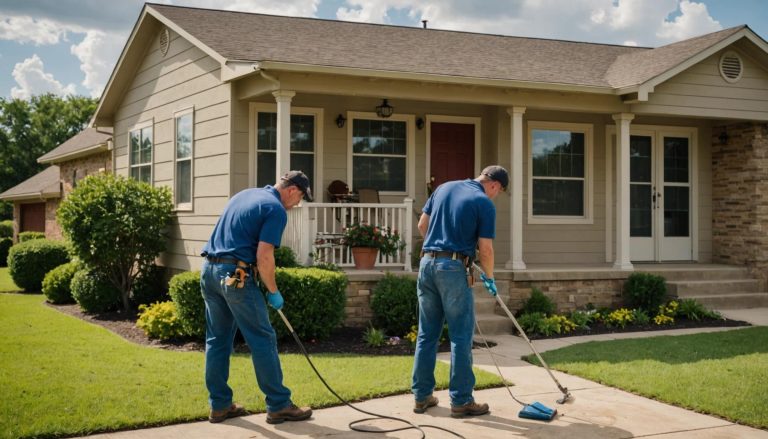
- Pressure Washing Basics: Start with a pressure washer set to a recommended level (usually between 3000-3500 PSI for concrete driveways). It’s highly effective in removing dirt, stains, and grime. For more detailed guidance on pressure washing in the area, consider professional pressure washing services in Spring, TX.
- Use Eco-friendly Detergents: Specialized detergents help break down stains and are better for the environment—especially important if you have natural stone driveways sensitive to harsh chemicals.
- Spot Treatment for Stains: For oil or rust stains, pre-treat the affected areas with a scrub or specialized cleaner designed to penetrate and lift tough stains.
- Consider Timing and Weather: Clean the driveway on a mild day. Avoid scorching hot weather which can cause rapid drying and uneven cleaning. Early morning or late afternoon works best.
- Seal the Surface: After thorough cleaning, consider applying a sealant to protect the surface from future stains and Texas weathering.
- Routine Maintenance: Regular sweeping and rinsing can prevent buildup, making major cleanings less frequent and more manageable.
Following these expert tips will not only enhance the curb appeal of your Texas home but also extend the life and appeal of your driveway. Next up, learn how local climate conditions influence your choice of cleaning products.
Should You Consider Local Climate When Choosing Driveway Cleaning Products?
Absolutely! Local climate significantly impacts the effectiveness of driveway cleaning products. Texas, with its diverse climate—from humid subtropical regions to arid desert areas—can present unique challenges for driveway maintenance. To understand the best practices for maintaining your driveway in such conditions, explore insights on the optimal timing for pressure washing in Texas.
Each climate zone poses different issues like mold, mildew, or tough stains from oil and tar. So, it’s essential to pick the right products that cater to your specific local conditions. Here’s what you need to keep in mind:
- Humidity Concerns: In areas with high humidity, such as East Texas, look for mold and mildew-resistant products.
- Heat Resistance: For regions like West Texas that encounter intense sun and heat, choose cleaners that are effective in high temperatures and don’t evaporate too quickly.
- Quick-Drying Formulas: In areas experiencing frequent rain or unexpected showers, opt for cleaning solutions that dry quickly to prevent rain interference.
- Eco-Friendly Solutions: Consider products that are safe for local wildlife or won’t harm plants if there’s runoff—especially vital in environmentally sensitive areas.
- Stain-Specific Products: Tailor your choice to prevalent stains in your area—oil stains in urban areas or clay stains in rural parts.
Taking these climate-specific factors into account helps ensure that your driveway cleaning process is both efficient and effective, no matter where you are in Texas.
What Tools and Equipment are Best for Washing a Driveway in Texas?
Texas driveways face unique challenges due to the state’s climate—hot summers, occasional heavy rain, and dust. Selecting the right tools and equipment for cleaning can make a significant difference in achieving the best results. Here’s what you need to know.
Pressure Washers: A Powerful Solution
A pressure washer is an essential tool for effectively cleaning driveways. It uses high-pressure water to blast away dirt, grime, and stains. Opt for one with adjustable pressure settings to tailor the force to your driveway’s materials (this prevents damage to more delicate surfaces). Additionally, it’s important to be aware of environmental regulations in Texas regarding commercial pressure washing.
Surface Cleaners for Consistent Results
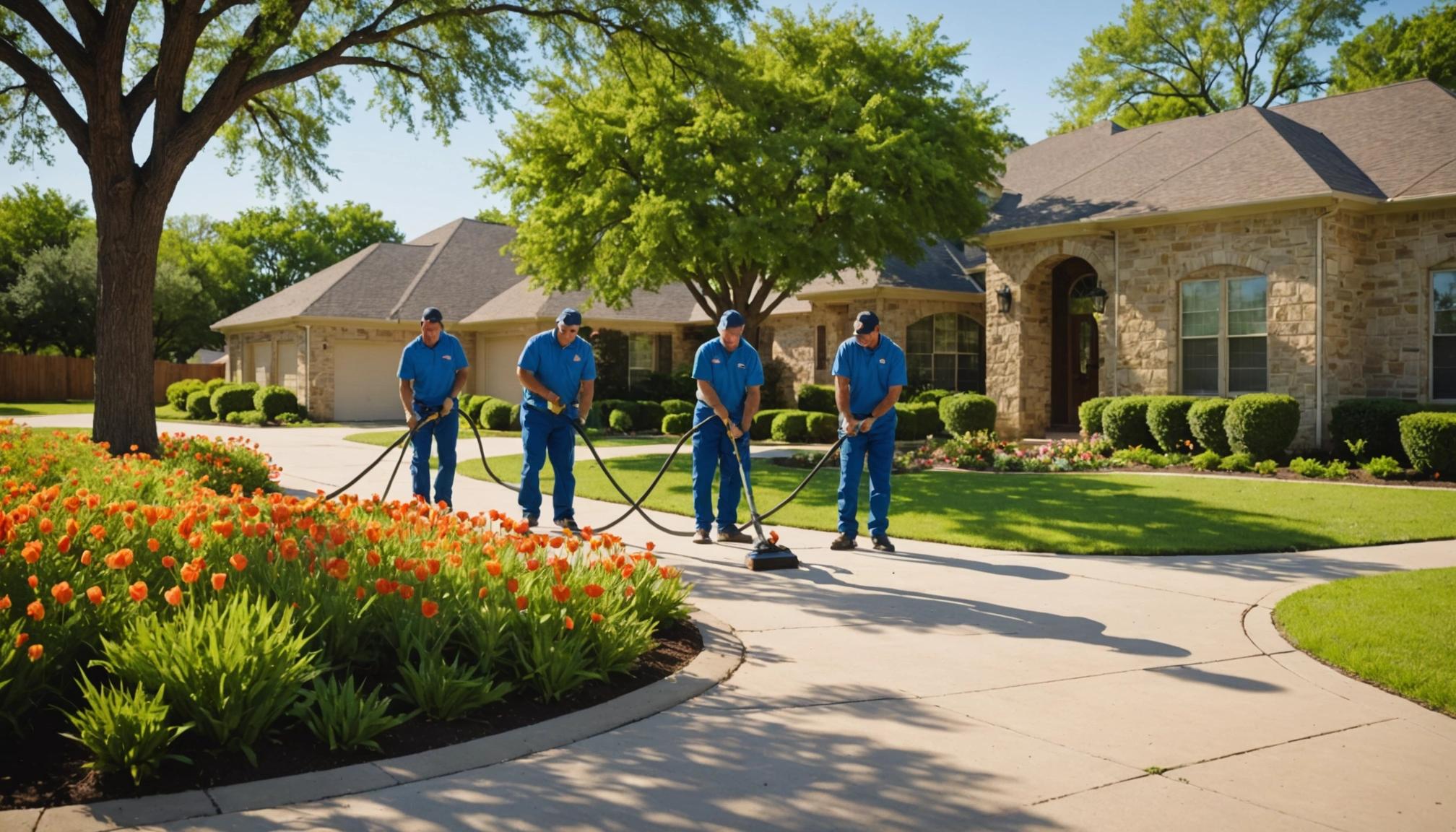
Attach a surface cleaner to your pressure washer for even and efficient results. It covers a wider area than a standard nozzle, preventing streaks and reducing cleaning time. This attachment is particularly useful for large driveways.
Stiff-Bristled Brooms for Stubborn Stains
Before using a pressure washer, scrub your driveway with a stiff-bristled broom. This helps loosen ingrained dirt and stains, making pressure washing more effective. Choose a broom with a long handle for ease of use and reach.
Detergents and Cleaning Solutions
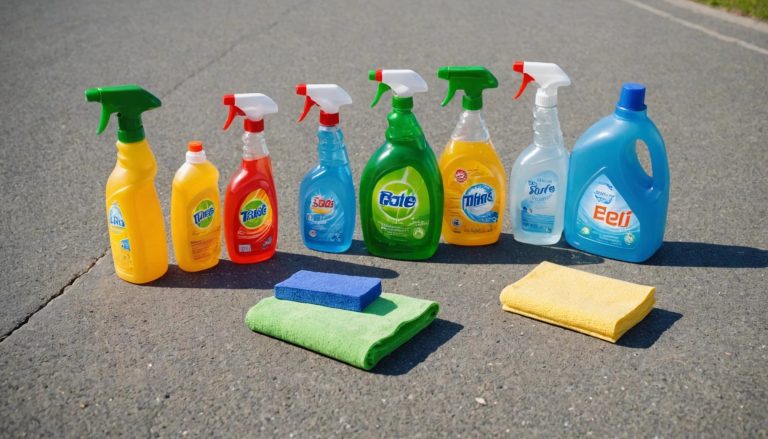
Some stains might need more than just water pressure. Look for detergents suited for driveway materials—concrete, asphalt, or pavers. Non-toxic, biodegradable cleaners are a great choice—they are effective yet gentle on the environment.
Protective Gear: Safety First
Safety gear is a must. Wear goggles to protect your eyes from debris and sturdy gloves for hand protection. Non-slip shoes will prevent accidents on wet surfaces, ensuring your safety while you scrub or pressure wash.
Choosing the right tools and equipment will make driveway cleaning easier and more efficient. Invest in quality items that work well with Texas’s specific conditions to keep your driveway looking pristine year-round.
How Can Regular Maintenance Extend the Life of Your Texas Driveway?
Maintaining your driveway regularly is ESSENTIAL—especially in Texas where weather extremes can take a toll. Regular maintenance not only enhances the appearance but also prolongs the life of your driveway. Let’s explore how you can protect this valuable part of your property.
Addressing Cracks and Surface Damage Early
Small cracks can become larger problems. The intense Texas sun expands the material (causing cracks), while rainwater can seep in and exacerbate these issues. Routinely check your driveway for any signs of damage. Use sealant to fill cracks and prevent further deterioration.
Using Proper Cleaning Techniques
Routine cleaning removes dirt, oil, and other debris that can cause stains and wear down the surface. A good power wash, which you can learn more about in the benefits of pressure washing your home in Texas, keeps things looking pristine and removes corrosive substances that could degrade the material over time.
Applying Sealant
A high-quality sealant is your driveway’s best defense against the elements. Sealants protect against UV rays and water damage—common culprits of deterioration in Texas. Reapply according to manufacturer instructions for ongoing protection.
Managing Vegetation Nearby
Keep plants and tree roots in check. As they grow, roots can disrupt the driveway’s foundation, leading to cracks and uneven surfaces. Regular trimming and strategic planting can minimize this risk.
Controlling Traffic and Weight
Heavy vehicles can significantly stress your driveway. Encourage friends and family to avoid parking on it, especially during intense heat when surfaces are more pliable. This small step can prevent long-term damage.
With these proactive measures, you can extend the lifespan of your Texas driveway, ensuring it remains functional and aesthetically pleasing for years to come.
Conclusion
The ideal time to wash your driveway in Texas is during the mild, dry months of spring and fall. By choosing these periods, homeowners can ensure efficient cleaning results while avoiding the intense heat of summer or potential freeze issues in winter. Properly timed driveway washing enhances curb appeal and prolongs the lifespan of your driveway surface.
If you’re in the Spring, Texas area or nearby locations such as The Woodlands, Magnolia, or Cypress, look no further than JR4U Pressure Washing for all your driveway cleaning needs. With tailored solutions ranging from pressure washing to softwashing, our expert team, led by Jason Raines, is ready to rejuvenate your surfaces with precision and care. Contact us today at (832) 732-2672 or email jasonraines7@gmail.com to schedule your service. Trust JR4U Pressure Washing to keep your driveway looking its best all year round!