
How Much Water Does Pressure Washing Use? (Complete Guide)
When planning a pressure washing project, one of the most common questions homeowners and business owners ask is: how much water does pressure washing use? Understanding water consumption helps you budget for utility costs, plan for environmental impact, and choose the right equipment for your needs. At JR4U Pressure Washing, we’ve tackled countless cleaning projects throughout Spring, The Woodlands, and surrounding areas, giving us deep insight into water usage patterns across different applications.
The amount of water your pressure washer consumes depends on several factors — from the type of equipment and PSI rating to the specific cleaning application. Whether you’re washing your house, cleaning your driveway, or maintaining a commercial storefront, knowing these consumption rates helps you make informed decisions about your cleaning projects.
How Much Water Does a Pressure Washer Use Per Hour
Most residential pressure washers consume between 1.5 to 4 gallons per minute (GPM), which translates to 90-240 gallons per hour of continuous operation. However, it’s important to note that pressure washers aren’t typically run continuously for a full hour — most cleaning tasks involve intermittent spraying with breaks for repositioning, applying detergent, or scrubbing stubborn areas.
Here’s a breakdown of typical water consumption rates:
- Light-duty electric pressure washers: 1.2-1.8 GPM (72-108 gallons per hour)
- Medium-duty gas pressure washers: 2.0-3.0 GPM (120-180 gallons per hour)
- Heavy-duty gas pressure washers: 3.5-4.5 GPM (210-270 gallons per hour)
- Commercial-grade equipment: 4.0-8.0 GPM (240-480 gallons per hour)
- Hot water pressure washers: 3.0-5.0 GPM (180-300 gallons per hour)
Water Usage by Pressure Washer Type and PSI Rating
Electric Pressure Washers (1300-2000 PSI)
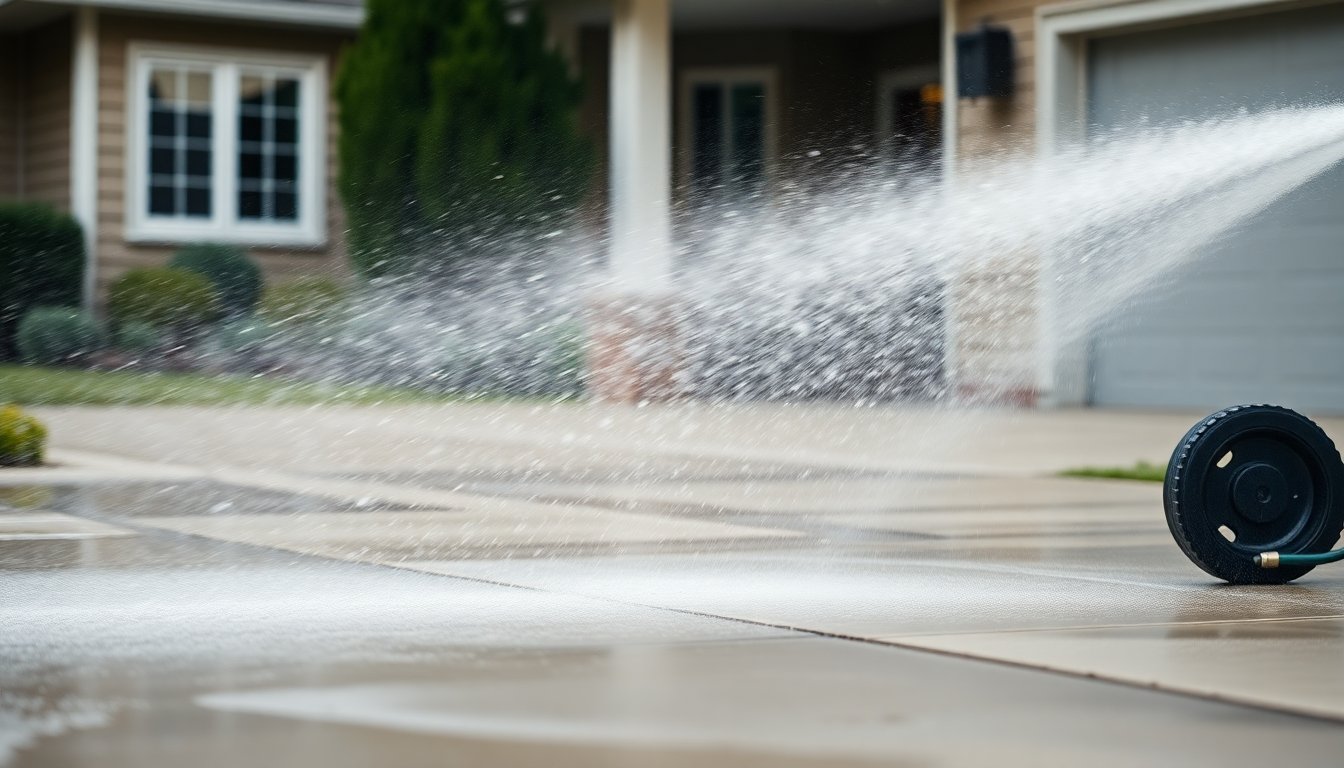
Electric models are the most water-efficient option for homeowners. These units typically operate at 1.2-2.0 GPM, making them ideal for light cleaning tasks like washing cars, patio furniture, or small decks. The lower water consumption makes them perfect for areas with water restrictions or for users concerned about utility costs.
Gas-Powered Residential Units (2000-3200 PSI)
Gas pressure washers offer more power and typically consume 2.5-4.0 GPM. While they use more water than electric models, they clean faster and more effectively, often requiring less total water for the same job. These units excel at house washing, driveway cleaning, and medium-sized commercial applications.
Commercial and Industrial Models (3200+ PSI)
Professional-grade equipment consumes 4.0-8.0 GPM but delivers exceptional cleaning power. The higher water volume, combined with increased pressure, allows for rapid cleaning of large surfaces. Despite the higher GPM rating, these units often use less total water per square foot cleaned due to their efficiency.
Hot Water Systems
Hot water pressure washers typically use 3.0-5.0 GPM but clean significantly faster than cold water systems. The heated water breaks down grease, oil, and organic matter more effectively, reducing cleaning time and often resulting in lower overall water consumption for challenging cleaning tasks.
Does Pressure Washing Use More Water Than a Garden Hose
This is a CRUCIAL question that surprises many homeowners. While pressure washers have higher GPM ratings than typical garden hoses (which flow at 5-10 GPM), they’re often more water-efficient for cleaning tasks because they clean faster and more effectively. A garden hose might seem like it uses less water, but the reality is more complex.
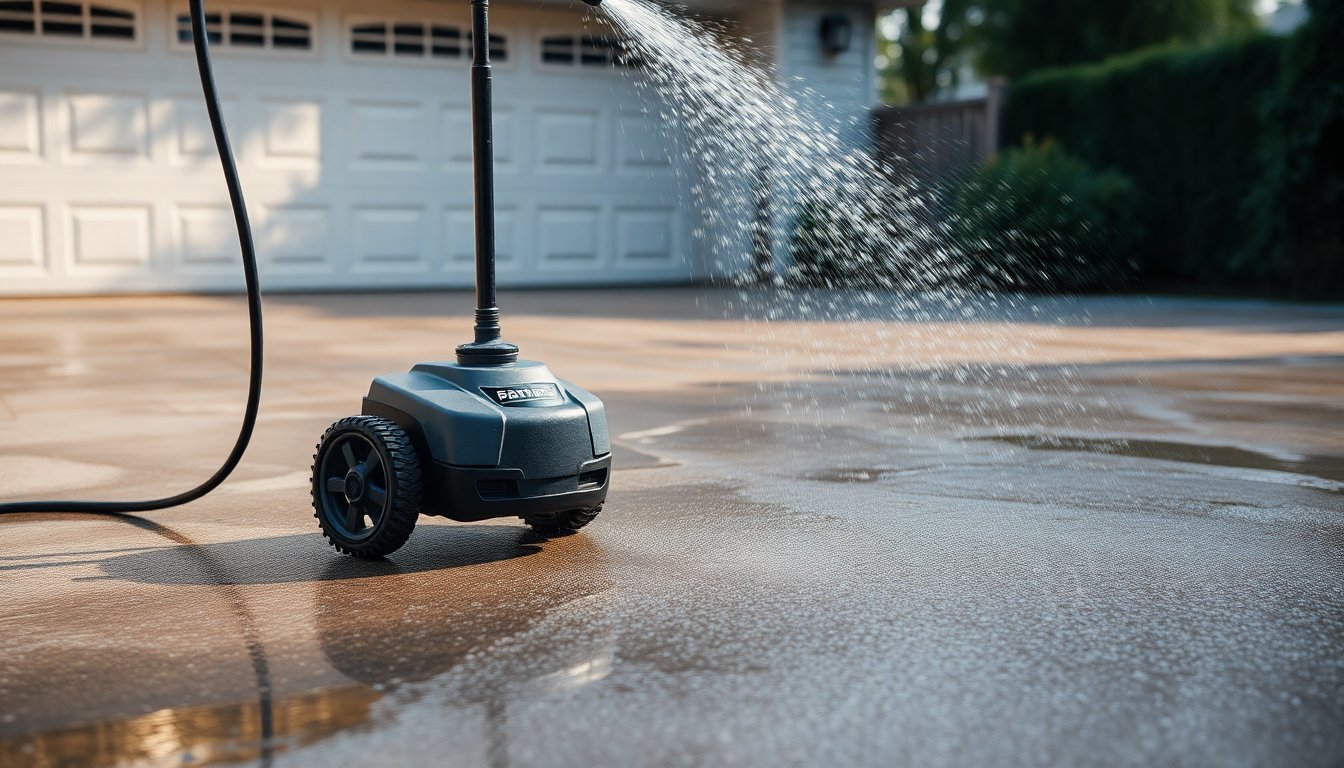
Key comparison points include:
- Garden hose flow rate: 5-10 GPM depending on water pressure and nozzle type
- Cleaning effectiveness: Pressure washers remove dirt and grime that garden hoses can’t touch
- Time factor: What takes 10 minutes with a pressure washer might take 30+ minutes with a hose
- Detergent usage: Pressure washers often require less soap due to mechanical cleaning action
- Rinse efficiency: High pressure removes soap and debris more thoroughly in fewer passes
- Overall consumption: Total water usage is often LOWER with pressure washers for the same cleaning result
How to Calculate Water Costs for Pressure Washing Projects
Understanding your water costs helps you budget accurately for pressure washing projects. The calculation involves knowing your local water rates, equipment specifications, and estimated project duration. Most water utilities charge per 1,000 gallons, with rates varying significantly by location.
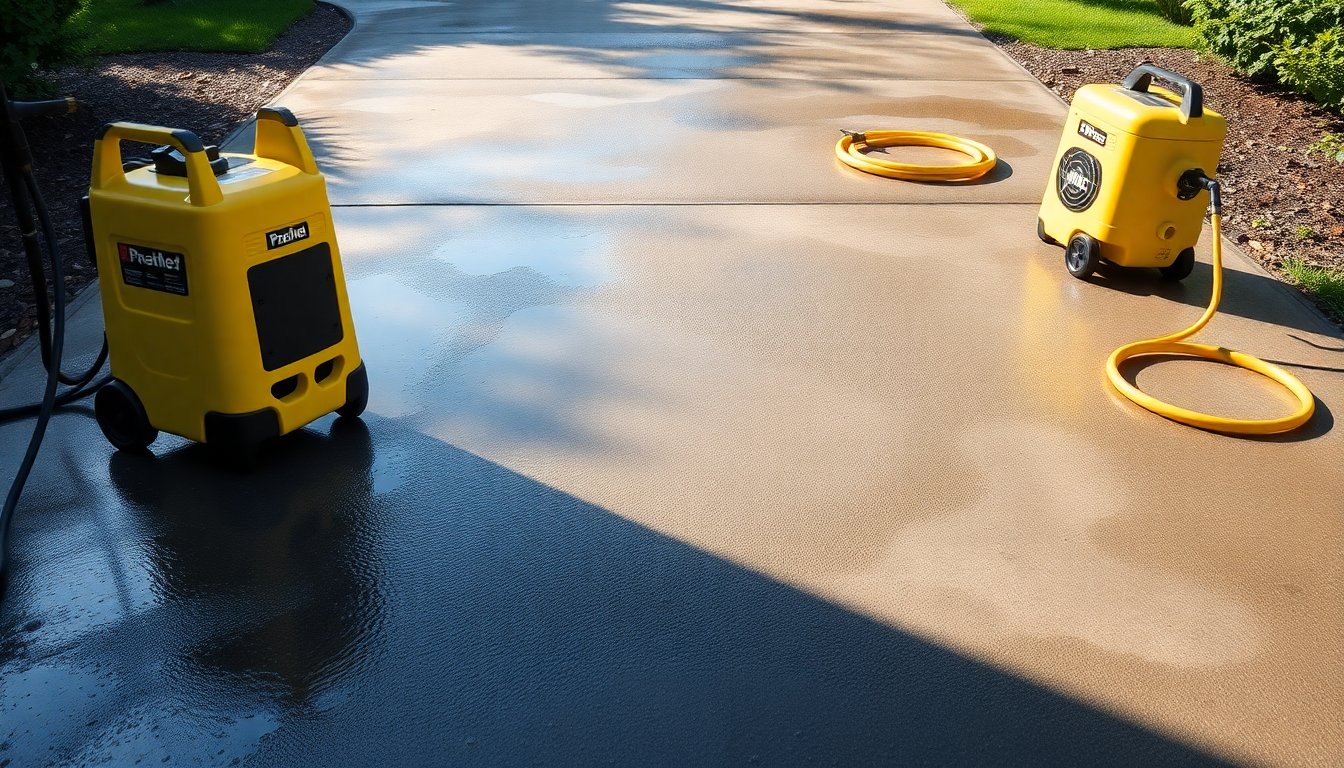
Follow these steps to calculate your water costs:
- Find your water rate: Check your utility bill for the cost per 1,000 gallons (typically $3-8)
- Determine your pressure washer’s GPM: Check the equipment specifications or manual
- Estimate cleaning time: Consider the size of the area and complexity of the cleaning task
- Calculate total gallons: Multiply GPM by minutes of operation, then divide by 60
- Convert to billing units: Divide total gallons by 1,000 to match utility billing
- Multiply by rate: Calculate final cost by multiplying billing units by your rate
- Add disposal costs: Some areas charge for wastewater treatment
Tips to Reduce Water Consumption While Pressure Washing
Minimizing water usage during pressure washing projects benefits both your wallet and the environment. Smart techniques and proper equipment selection can significantly reduce consumption without compromising cleaning effectiveness. Professional pressure washing companies have developed numerous strategies to maximize efficiency.
Effective water conservation strategies include:
- Pre-treat stains: Apply detergent and let it sit to break down dirt before pressure washing
- Use appropriate nozzles: Wider spray patterns cover more area efficiently
- Maintain optimal distance: Stay 12-18 inches from surfaces for maximum cleaning efficiency
- Work systematically: Clean in overlapping sections to avoid re-cleaning areas
- Choose the right PSI: Higher pressure isn’t always better — match pressure to the task
- Regular maintenance: Keep equipment in top condition for optimal performance
- Time your cleaning: Avoid windy days that cause overspray and waste
- Use hot water when appropriate: Heated water cleans faster, reducing total water usage
- Invest in quality equipment: Better pressure washers often use water more efficiently
Water Usage for Different Pressure Washing Applications
House Washing and Exterior Cleaning
House washing typically requires 200-500 gallons for an average 2,000 square foot home, depending on the siding material and level of dirt buildup. Vinyl and aluminum siding clean quickly with moderate pressure, while brick and stone may require more water and time. The softwashing technique, which we frequently use in Spring and The Woodlands, uses lower pressure but may require additional water for thorough rinsing of cleaning solutions.
Driveway and Concrete Cleaning
Concrete driveways and walkways are among the most water-intensive cleaning applications. A typical two-car driveway (400-600 square feet) consumes 150-300 gallons during cleaning. Oil stains, tire marks, and embedded dirt require sustained pressure washing, often with multiple passes. Pre-treating with degreasers can reduce overall water consumption by breaking down contaminants before pressure washing begins.
Roof Washing and Softwashing
Roof cleaning using softwashing techniques typically uses 100-200 gallons for an average residential roof. This method relies more on specialized cleaning solutions than high pressure, making it gentler on roofing materials while still achieving excellent results. The lower pressure means longer contact time with cleaning solutions, but overall water usage remains moderate compared to other applications.
Commercial and Parking Lot Cleaning
Large commercial applications like parking lots and storefronts require significant water volumes — often 500-2,000 gallons depending on the area size and contamination level. However, commercial equipment operates more efficiently, cleaning larger areas faster than residential units. The key is using the right equipment for the scale of the project to minimize both time and water consumption.
Vehicle and Fleet Washing
Washing a single vehicle typically consumes 15-30 gallons with a pressure washer, compared to 50-100 gallons with a traditional garden hose method. Fleet washing operations benefit significantly from pressure washing efficiency, especially when cleaning multiple vehicles daily. The combination of speed and water efficiency makes pressure washing the preferred method for commercial vehicle maintenance.
Deck and Fence Cleaning
Wooden decks and fences require careful pressure control to avoid damage, typically using 100-250 gallons for average residential installations. The porous nature of wood means some cleaning solution absorption, but the mechanical action of pressure washing removes embedded dirt and mildew that other methods can’t touch. Proper technique prevents over-wetting while ensuring thorough cleaning.
Conclusion
Understanding water consumption for pressure washing helps you make informed decisions about equipment selection, project planning, and cost budgeting. While pressure washers may seem like they use significant amounts of water — typically 1.5-4 GPM for residential units — they’re often more efficient than traditional cleaning methods when you factor in cleaning speed and effectiveness. The key is matching the right equipment to your specific needs and using proper techniques to minimize waste.
Whether you’re planning a DIY project or considering professional services in Spring, The Woodlands, Magnolia, or surrounding areas, knowing these consumption rates helps you prepare appropriately. Remember that while water usage is important, the speed and quality of results often make pressure washing the most efficient choice for exterior cleaning tasks.