Does Pressure Washing Increase Home Value? (Find Out How)
Curious if pressure washing can give your home value a boost? As experts in the art of pressure washing from JR4U Pressure Washing, we’re here to dive into the details. From the bustling streets of Spring to the serene neighborhoods of The Woodlands and beyond, we’ve seen firsthand how sparkling clean exteriors can enhance curb appeal and, in turn, increase property value.
In this article, we’ll explore the ins and outs of pressure washing and how it plays a pivotal role in maintaining and boosting your property’s worth. So, buckle up and join us on this exciting journey as we uncover the areas of your home that benefit the most, the best practices for maintenance, and the burning question: should you go DIY or rely on a professional touch?
What is Pressure Washing and How Does it Work?
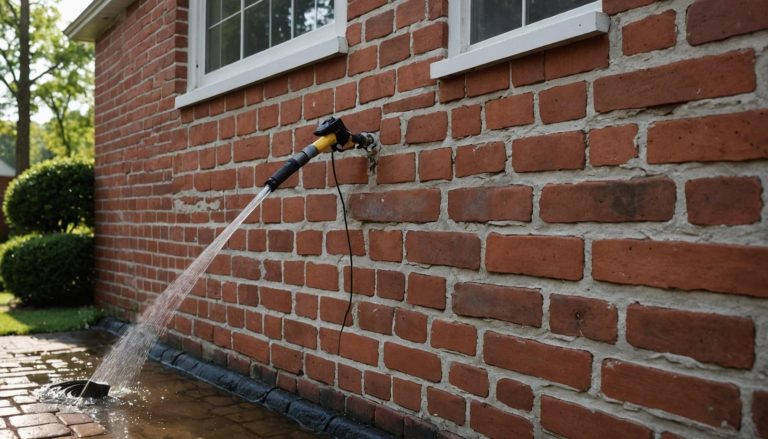
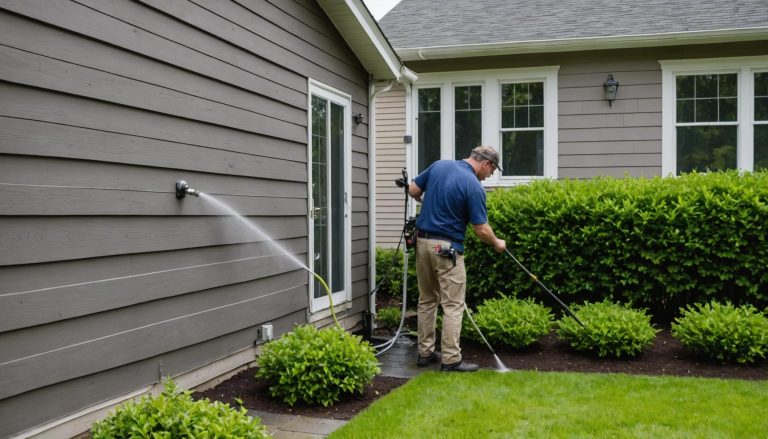
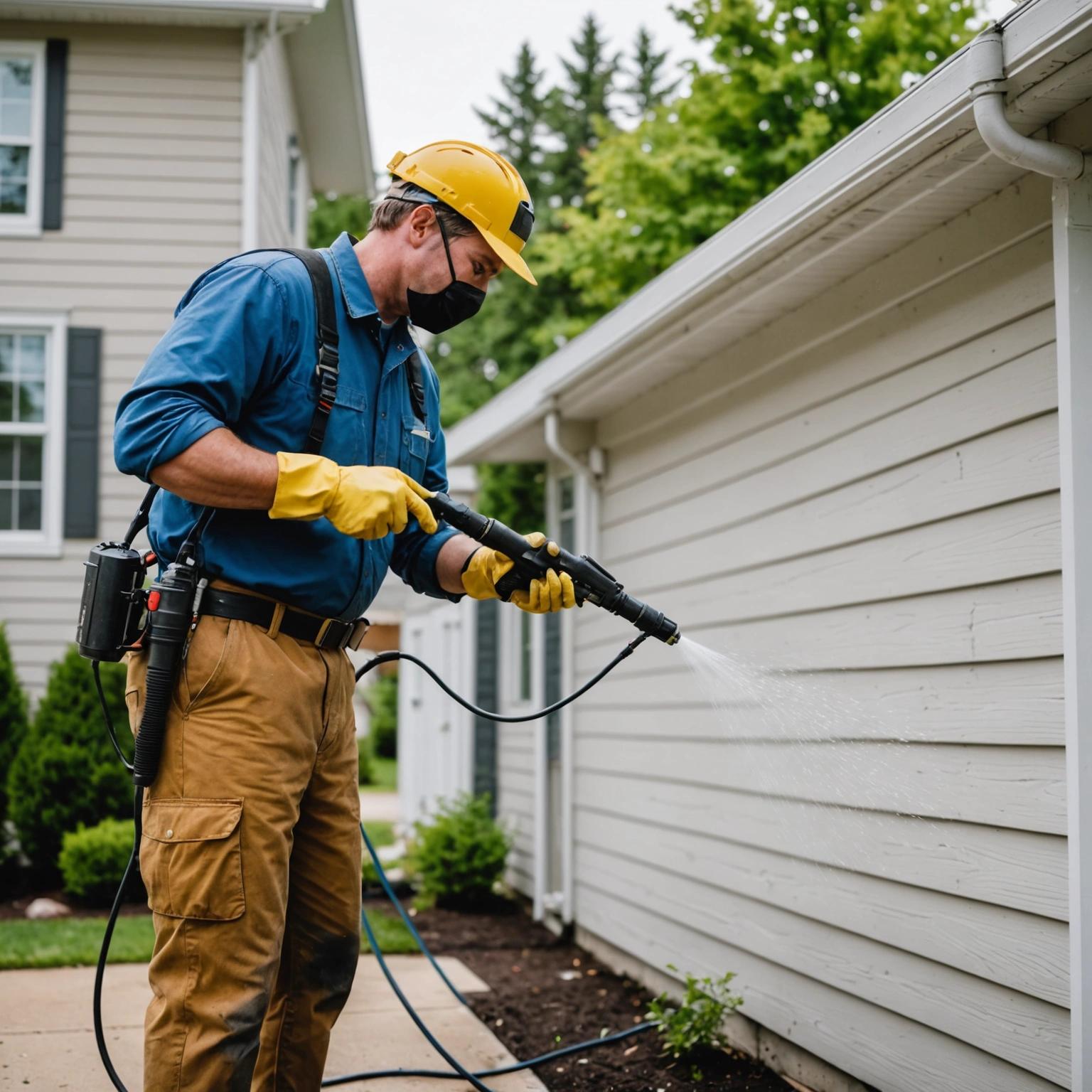
Pressure washing, also known as power washing, is a highly effective cleaning method used to remove dirt, grime, mold, and other unwanted substances from various surfaces. It uses a high-pressure water spray to blast away contaminants, cleaning surfaces quickly and efficiently. This process can be used on numerous areas like driveways, siding, decks, and more. For more detailed information, visit this comprehensive guide on pressure washing.
The main component of a pressure washer is an electric or gas motor that powers a pump, which increases the pressure of the water from a regular hose level to something significantly more powerful—often several thousand PSI (pounds per square inch). The high-pressure water is then expelled through a nozzle, which can be adjusted for different spray patterns or intensities.
Here’s a breakdown of how pressure washing works and its components:
- Water Inlet: Connects the pressure washer to your water source. It’s usually a standard garden hose.
- Motor or Engine: Powers the pump. Gas engines are better for outdoor work and portable use, while electric motors are more suitable for smaller tasks.
- Pump: The heart of a pressure washer—it’s responsible for generating the high pressure needed to clean surfaces effectively.
- High-Pressure Hose: Carries the water from the pump to the cleaning attachment. It needs to be strong enough to withstand high pressure.
- Nozzle: Controls the spray pattern and intensity. Nozzles can be adjusted or switched to tackle different cleaning tasks.
- Detergent Injection System (optional): Allows cleaning solutions to be mixed with the water to enhance cleaning power, especially helpful for tough grime.
Pressure washing is a versatile and powerful method for maintaining and improving the appearance of outdoor surfaces. However, it’s important to use the correct settings and techniques to prevent potential damage.
Can Pressure Washing Really Boost Home Value?
You might be surprised at just how much a good pressure washing can do for your home’s value. First impressions count—especially in real estate! A clean, well-maintained exterior can make your property more appealing to potential buyers, which might increase its market value.
Enhancing Curb Appeal
Curb appeal is a big deal. Pressure washing can instantly freshen up the look of your home’s exterior by removing dirt, mold, and mildew that accumulate over time. This revitalized appearance can catch the eye of prospective buyers passing by or viewing online listings.
Preventative Maintenance
Keeping the exterior clean isn’t just about looks—it’s about preventing damage. Regular pressure washing helps deter the development of mold, rot, and deterioration. For homeowners looking for reliable services, exploring a pressure washing directory in Texas can be a great start. By maintaining your home’s exterior, you’re also maintaining its value.
More Appealing Photos
Most buyers start their home search online. Clean, crisp images make your property stand out. Pressure washing ensures your home looks pristine in listing photos, drawing more interest from potential buyers.
Cost-Effective Investment
Compared to other home improvement projects, pressure washing is relatively low-cost. Yet, it offers significant returns by enhancing the home’s appearance and preventing structural issues that could decrease your property’s value.
In short, pressure washing can be a simple yet effective strategy to boost your home’s value. Next, we’ll look at which areas of a home benefit most from pressure washing.
Which Areas of a Home Benefit Most from Pressure Washing?
Pressure washing is a game-changer when it comes to maintaining the exterior of your home. It revitalizes surfaces, keeps them clean, and can even increase your home’s value. But, not all areas need the same attention. Some parts of your home benefit greatly from a thorough wash, while others may not require as much effort. Let’s explore which areas get the most benefit from pressure washing.
- Siding: Whether it’s vinyl, wood, or brick, keeping your siding clean helps maintain curb appeal and prevents mold and mildew buildup.
- Driveways and Walkways: Over time, these surfaces collect dirt, oil stains, and algae. A good pressure wash can bring them back to their original look.
- Decks and Patios: Regular washing helps remove grime and prevent the wood or stone from getting slippery and hazardous.
- Fences: Wooden and vinyl fences can benefit from pressure washing to remove dirt and prevent deterioration.
- Gutters: While a gentler touch is needed, pressure washing can help flush out debris that clogs gutters.
- Outdoor Furniture: Keep your tables and chairs looking fresh and inviting by washing away pollen, dirt, and barbecue remnants.
- Roofs: Use caution, but pressure washing can help remove moss and debris, extending your roof’s life.
With these areas highlighted, you can focus your efforts where they count most. For those located in the area, professional pressure washing services in Spring, TX can provide expert assistance. Up next, we will discuss how often you should pressure wash for optimal maintenance.
How Often Should You Pressure Wash for Optimal Home Maintenance?
Pressure washing isn’t just for making your home look good—it’s crucial for maintaining it. Over time, dirt, grime, and mildew can build up on surfaces, causing wear and tear. Keeping these contaminants at bay helps protect your home’s structural integrity and appearance.
However, not all areas need the same level of attention. Knowing how often to pressure wash different parts of your home ensures you’re not wasting effort and water—but also not neglecting necessary maintenance. For more detailed guidance on maintaining your home’s exterior, explore pressure washing tips and advice.
- Siding and Exterior Walls: Depending on the climate and local environment, wash once a year or every other year for best results.
- Driveways and Paths: Usually require cleaning once every year to eliminate oil stains, dirt, and plant growth.
- Decks and Patios: Check annually, but may need washing more frequently—especially in areas with heavy foot traffic or moisture.
- Gutters: These generally don’t require pressure washing, but they should be inspected and cleaned out at least twice a year.
- Roofs: Pressure washing is less common due to potential damage. If needed, hire a professional once every few years.
- Fences: Depends on the material, but wooden fences might need gentle washing every couple of years to prevent mold.
Remember that local conditions—like weather or nearby vegetation—play a significant role in how often you should clean. Regular inspections and timely cleaning are key to keeping your home safe and aesthetically pleasing.
Is DIY Pressure Washing Effective or Should You Hire a Professional?
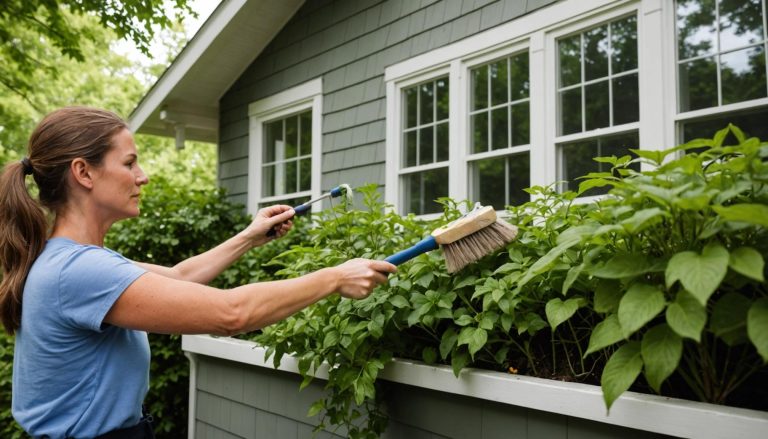
Pressure washing is a fantastic way to clean the exterior of your home—removing dirt, mildew, and grime that can detract from curb appeal and potentially harm surfaces. Many homeowners consider tackling this task themselves, but is it the best choice?
Benefits of DIY Pressure Washing
Doing it yourself can save money since you won’t have to pay for professional services. You also work at your own pace and focus on areas needing the most attention without time constraints. Additionally, for those who enjoy home improvement projects, it can be a rewarding, stress-relieving activity.
Challenges of DIY Pressure Washing
On the flip side, if you’re inexperienced, using a pressure washer can be tricky. There’s a risk of damaging surfaces (like siding or windows) if the pressure is too high or the method is incorrect. Additionally, renting or buying equipment, plus the time investment, can be significant.
Improper use can lead to injuries as well. If not cautious, the powerful stream can cause harm to yourself or others.
When to Hire a Professional
Professionals come with expertise and equipment suited for different tasks and surfaces, ensuring the job is done efficiently and safely. This is ideal for larger or more delicate projects. Hiring a pro can save you from the potential pitfalls of DIY attempts.
Consider professionals for multi-story homes, particularly dirty areas, or surfaces that are easily damaged. Their experience minimizes risks and ensures optimal results. For more insights into the differences between pressure washing and other techniques, explore the comparison of pressure washing vs. soft washing.
In weighing your options, consider the complexity of the job and your comfort level with the equipment. At times, leaving it to the experts might just be worth the extra cost for peace of mind and quality work.
What are the Potential Risks of Pressure Washing?
Pressure washing is an effective way to clean surfaces, but it doesn’t come without its risks. The powerful jets of water can cause damage if not used properly, and there are safety hazards to consider. Whether you’re a DIY enthusiast or a professional, understanding these risks is essential to avoid costly mistakes or injuries.
Here are some potential risks associated with pressure washing:
- Surface Damage: Excessive pressure can strip paint, etch concrete, or damage siding. Always adjust the pressure settings based on the surface being cleaned.
- Water Intrusion: Improper use can force water behind siding or into walls, leading to mold growth and structural damage over time.
- Electrical Hazards: Water and electricity don’t mix. Be cautious when pressure washing near electrical outlets or outdoor lighting fixtures.
- Injury Risk: The force of the water can cut through skin or cause serious injury, so always handle the equipment carefully and wear protective gear.
- Environmental Concerns: Runoff from pressure washing can transport contaminants into storm drains, potentially affecting local waterways. Consider eco-friendly detergents and capture runoff when possible.
- Equipment Damage: Incorrect use or maintenance of pressure washers can lead to mechanical failures. Regularly check hoses, nozzles, and connections to prevent leaks or equipment breakdowns.
By being aware of these risks and taking the necessary precautions, you can enjoy the benefits of pressure washing while minimizing the potential downsides.
Conclusion
Investing in pressure washing is an effective way to increase your home’s value by enhancing its curb appeal and removing accumulated dirt and grime from the exterior surfaces. This simple and efficient service can make a significant difference, particularly if you’re planning to sell your property or simply want to maintain it in pristine condition. Whether it’s your driveway, roof, or storefront, regular pressure washing can revitalize your property, potentially boosting its market value in the process.
At JR4U Pressure Washing, we offer a comprehensive range of services, including house washing, softwashing, and parking lot washing, tailored to meet the diverse needs of homeowners and businesses in Spring, The Woodlands, Magnolia, and beyond. Our experienced team is ready to help you achieve the pristine property that truly stands out. To schedule your pressure washing service, contact Jason Raines at (832) 732-2672 or drop a message at jasonraines7@gmail.com. Let us help you enhance your property’s appeal and value with our expert services.