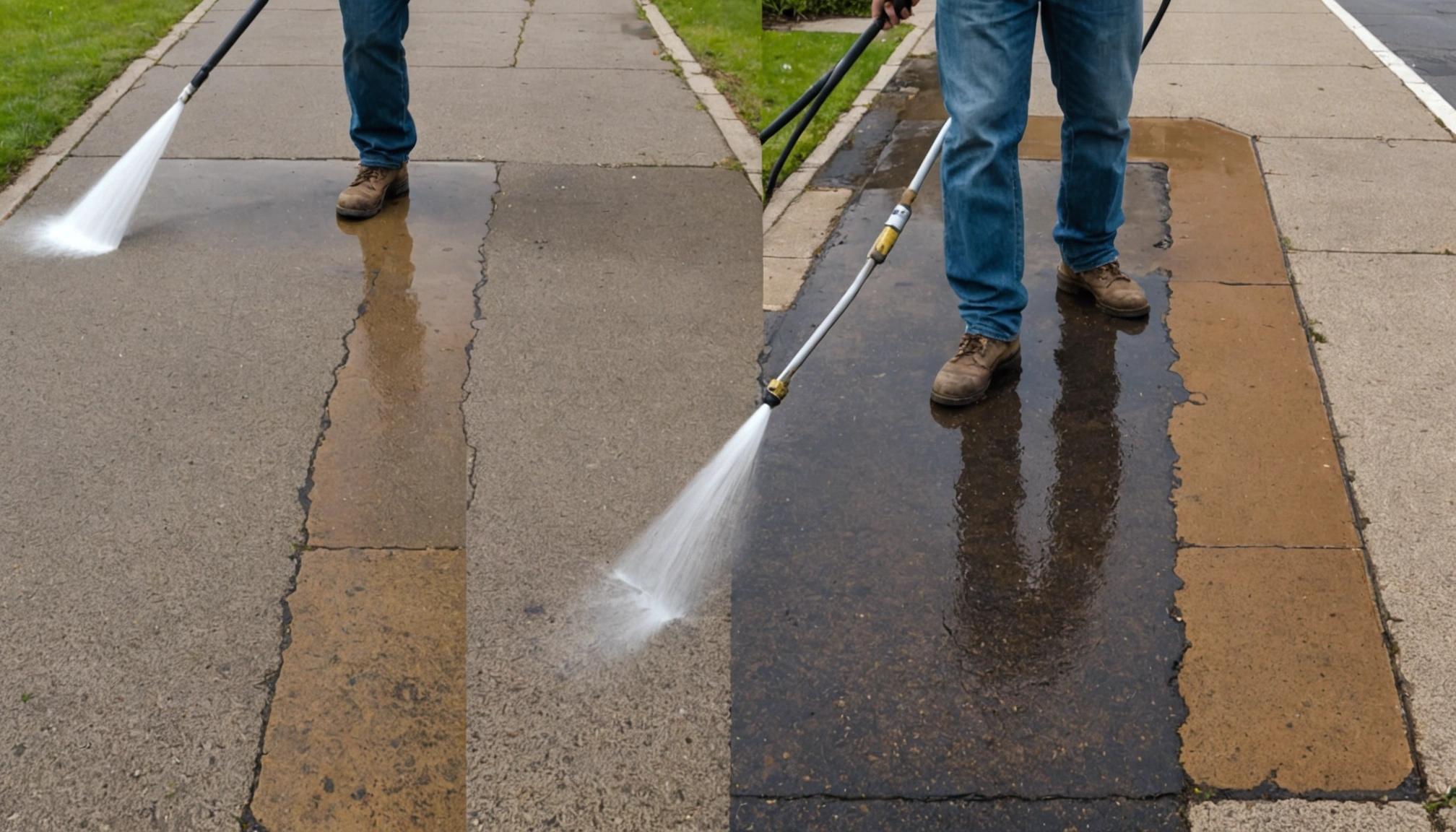
Hot vs Cold Water Pressure Washing for Parking Lots (Key Differences)
Curious about the key differences between hot and cold water pressure washing for parking lots? At JR4U Pressure Washing, we’ve got the insights you need to make an informed decision. Whether you’re dealing with stubborn gum or aiming to clear away oil stains, each method brings unique benefits to the table.
This article will guide you through the essential differences between hot and cold water pressure washing, helping you decide which is best suited for your parking lot’s needs. With our expertise in the field, we’ll explore the advantages of each method, when to use them, and key factors to consider, all while keeping your equipment in top shape for optimal performance. Let’s dive in and uncover which method works best for cleaning your parking lot surfaces!
What Are the Key Differences Between Hot and Cold Water Pressure Washing?
Pressure washing is an effective cleaning method—for both light and heavy-duty tasks. However, not all pressure washing is the same! The use of hot or cold water can make a significant difference in the cleaning process and the end results.
Hot Water Pressure Washing
Hot water pressure washing uses water heated to high temperatures. This heat helps break down dirt, grease, and grime much easier. It’s especially beneficial for cleaning surfaces with oily or greasy residues (think parking lots and industrial areas). The heat also helps with sanitization, making it a preferred choice in settings that require a higher standard of cleanliness.
Cold Water Pressure Washing
Cold water pressure washing relies on the power of water pressure and is excellent for removing dirt and debris from surfaces. It’s the go-to option for lighter cleaning tasks such as removing loose paint or dust. It’s typically more economical since it doesn’t require a heating element, making it ideal for routine maintenance jobs where grease removal is not a primary concern.
Understanding these key differences allows you to choose the right method for your cleaning needs. Up next, we’ll explore how hot water pressure washing specifically benefits parking lots.
How Does Hot Water Pressure Washing Benefit Parking Lots?
Hot water pressure washing is a GAME-CHANGER for maintaining parking lots. It’s all about POWER and EFFICIENCY. Unlike cold water, hot water can break down and dissolve grime more effectively. This makes it especially beneficial for areas with heavy traffic and tough stains.
Here are some key benefits of using hot water pressure washing for parking lots:
- Removes Tough Stains: Hot water helps dissolve oil spills, grease stains, and other stubborn residues quickly.
- Sanitizes Surfaces: The heat kills bacteria and germs, providing a cleaner and safer environment.
- Prevents Resoiling: Hot water can better remove sticky residues that attract dirt, keeping surfaces cleaner longer.
- Efficient Cleaning: The combination of heat and pressure reduces cleaning time, saving on labor costs.
- Improves Aesthetic Appeal: Regular hot water cleaning keeps parking lots looking pristine and well-maintained.
- Environmental Benefit: Less reliance on harsh chemicals—heat alone can often do the trick.
Hot water pressure washing is an investment in the longevity and appearance of parking lots, making it a worthwhile option for regular maintenance. Discover more about professional pressure washing services in Spring, TX to enhance the upkeep of your parking areas.
When Should Cold Water Pressure Washing Be Used on Parking Lots?
Cold water pressure washing is a valuable method for maintaining parking lots, especially when dealing with regular cleaning needs or certain surface types. This approach is both cost-effective and efficient for tackling routine dirt, dust, and light debris. Cold water systems are ideal when surfaces are delicate—as they won’t risk damaging finishes or coatings (which can happen with hot water). If your parking lot doesn’t face heavy oil or grease stains, cold water is a practical choice. Learn more about pressure washing techniques in Conroe, TX for effective parking lot maintenance.
Consider using cold water pressure washing in these scenarios:
- Regular Maintenance: Perfect for routine cleaning to remove dirt, dust, and debris without the need for heavy-duty removal.
- Sensitive Surfaces: Safe for surfaces that could be damaged by the high temperature of hot water.
- Cost Concerns: A more budget-friendly option compared to hot water systems due to lower energy requirements.
- Environmental Mindfulness: Uses less energy, making it a greener choice for eco-conscious parking lot management.
- Quick Cleans: Ideal for frequent clean-ups where deep cleaning isn’t necessary.
- Chemical Use: Can be combined effectively with detergents for enhanced cleaning power without the heat.
Next, we’ll explore what factors should be considered when choosing between hot and cold water for cleaning parking lots.
What Factors Should Be Considered When Choosing Between Hot and Cold Water for Cleaning?
When it comes to pressure washing parking lots, deciding between hot and cold water is crucial. The right choice can make a big difference in cleaning efficiency and effectiveness. Here’s what to consider when making your decision:
- Type of Stains: Hot water is more effective for breaking down oil, grease, and stubborn grime. For general dirt and debris, cold water might be sufficient.
- Surface Material: Sensitive surfaces might be better suited for cold water to prevent damage, while more durable materials can handle the intensity of hot water.
- Environmental Impact: Hot water can be more energy-intensive and may require environmentally-friendly detergents to offset its footprint; consider the eco-impact if sustainability is a priority.
- Cost Implications: Hot water pressure washing can be more expensive in terms of equipment and energy usage. If budget is a concern, cold water might be a cost-effective choice.
- Cleaning Speed: In situations where time is of the essence, hot water might achieve desired results more quickly than cold water.
- Safety Considerations: Hot water requires careful handling due to the risk of burns or injuries, while cold water generally poses fewer safety risks.
These factors will help you determine the best approach for your cleaning needs. Up next, let’s take a look at any potential cost differences between the two methods.
Are There Any Cost Differences Between Hot and Cold Water Pressure Washing?
Yes, there are cost differences between hot and cold water pressure washing, primarily due to the equipment, resources, and effectiveness required for each method. Hot water pressure washing systems are generally more EXPENSIVE to acquire and operate compared to their cold water counterparts. Here’s why:
Equipment Costs:
- Initial Investment: Hot water pressure washers come with an inbuilt heating element or burner, making them pricier upfront. This added technology bumps up the price, but it also brings additional benefits.
- Operating Costs: Utilizing hot water naturally leads to higher energy consumption in heating the water, leading to incremental operational costs over time.
- Maintenance: More complex machinery means potentially higher maintenance requirements and associated costs. Regular checks and component replacements are important to keep it running smoothly.
On the other hand, cold water pressure washing systems are more straightforward. They’re powerful enough for lighter jobs, such as removing dirt and loose debris from surfaces. Because they lack the heating component, they’re generally less expensive to buy and upkeep.
When considering cost differences, think about the purpose of your cleaning tasks. For heavy-duty cleaning that deals with grease, oil, or stubborn grime—hot water might be worth the investment for its efficiency and effectiveness. For lighter tasks, cold water gets the job done without the added expenses. To explore more about the differences between pressure washing methods, you can visit this detailed comparison of pressure washing vs. soft washing.
How to Maintain Pressure Washing Equipment for Optimal Performance
Keeping your pressure washing equipment in top condition is essential for achieving the best cleaning results. Regular maintenance not only extends the lifespan of your machine but also ensures it operates at peak efficiency. Here are some key tips to maintain your pressure washer for optimal performance:
Regular Cleaning and Inspection
After each use, make sure to clean your equipment thoroughly. This prevents buildup of grime and debris that can affect the machine’s performance.
- Flush the system: Run clean water through the system to clear out any detergent or debris.
- Check the nozzles: Inspect nozzles for clogs or wear and clean as needed to maintain even spray patterns. Choosing the right nozzle for pressure washing is crucial for efficiency.
- Examine hoses and connections: Look for signs of wear, leaks, or cracks and replace if necessary to prevent pressure loss.
Perform Routine Maintenance
Routine maintenance is crucial for keeping your pressure washer in good working condition. Schedule regular checks to monitor the machine’s health.
- Oil changes: Regularly change the oil in non-electric engines to keep the motor running smoothly.
- Air filter cleaning: Keep air filters clean or replace them to ensure efficient air flow to the engine.
- Fuel system care: Use fresh fuel and add stabilizers during storage periods to prevent gumming.
Store Properly Between Uses
Proper storage of your pressure washer when not in use is essential to prevent damage from weather or inactivity.
- Dry the machine: Ensure the equipment is dry to prevent rust and corrosion.
- Store indoors: Keep it in a dry, protected environment to shield from extreme temperatures and moisture.
- Winter preparation: In cold climates, winterize the machine to prevent freezing damage.
By following these maintenance steps, your pressure washing equipment will not only last longer but also deliver consistent and effective results every time you use it.
Conclusion
Choosing between hot and cold water pressure washing for parking lots primarily depends on the type of cleaning required. Hot water pressure washing is ideal for removing oil stains and tough grime, while cold water is suitable for lighter cleaning tasks and regular maintenance. Understanding these differences ensures that your parking lot remains clean and well-maintained throughout the year.
At JR4U Pressure Washing, we specialize in both hot and cold water pressure washing to cater to all your parking lot cleaning needs in Spring and the surrounding areas, including The Woodlands, Magnolia, and Katy. Our team, led by Jason Raines, is committed to providing high-quality services that leave your property pristine. For expert advice and exceptional service, contact us at (832) 732-2672 or email jasonraines7@gmail.com. Trust us to give your parking lot the care it deserves!